
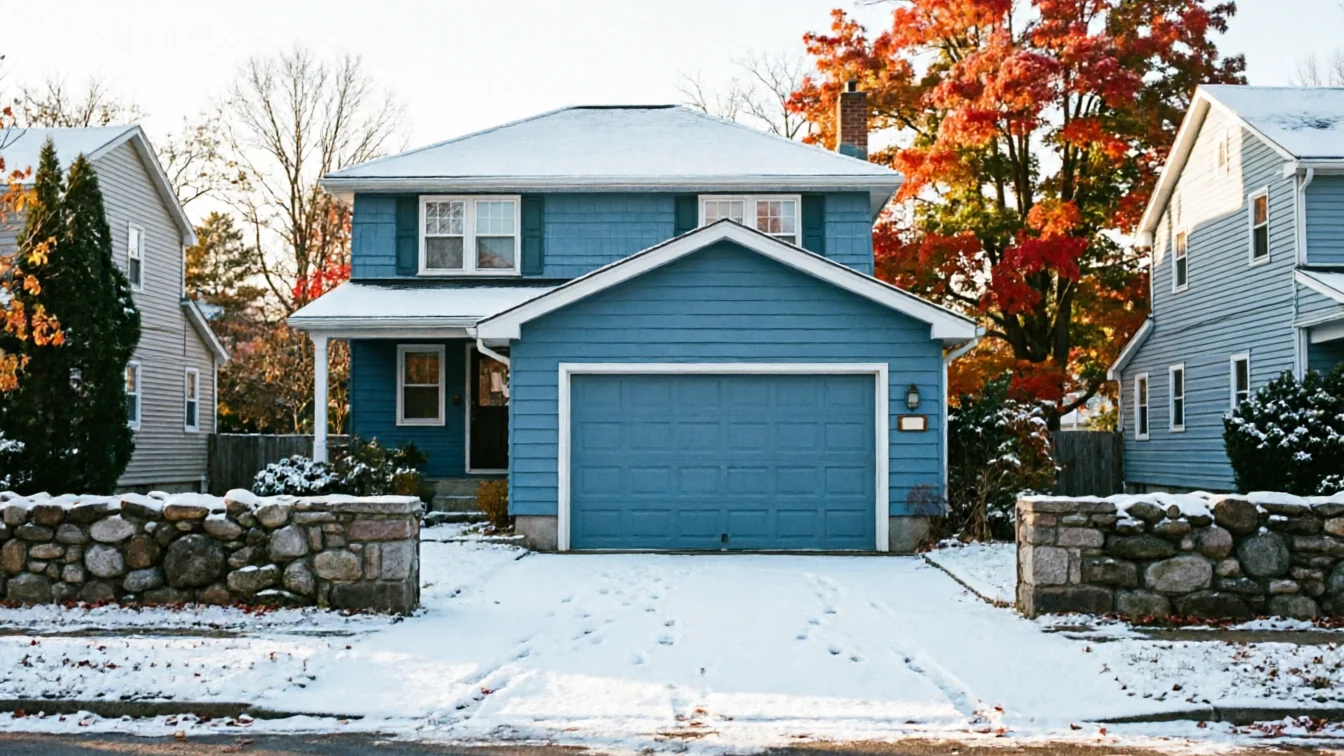
Garage Door Trouble in Lancaster Houses Built Before 1995
Lancaster homes mostly date to 1973, and the cold climate here is hard on old torsion springs and tracks.
Read moreA look at what actually goes wrong with garage doors in Lancaster's older housing stock and cold winters, and what a technician checks before quoting a repair.
Local detail
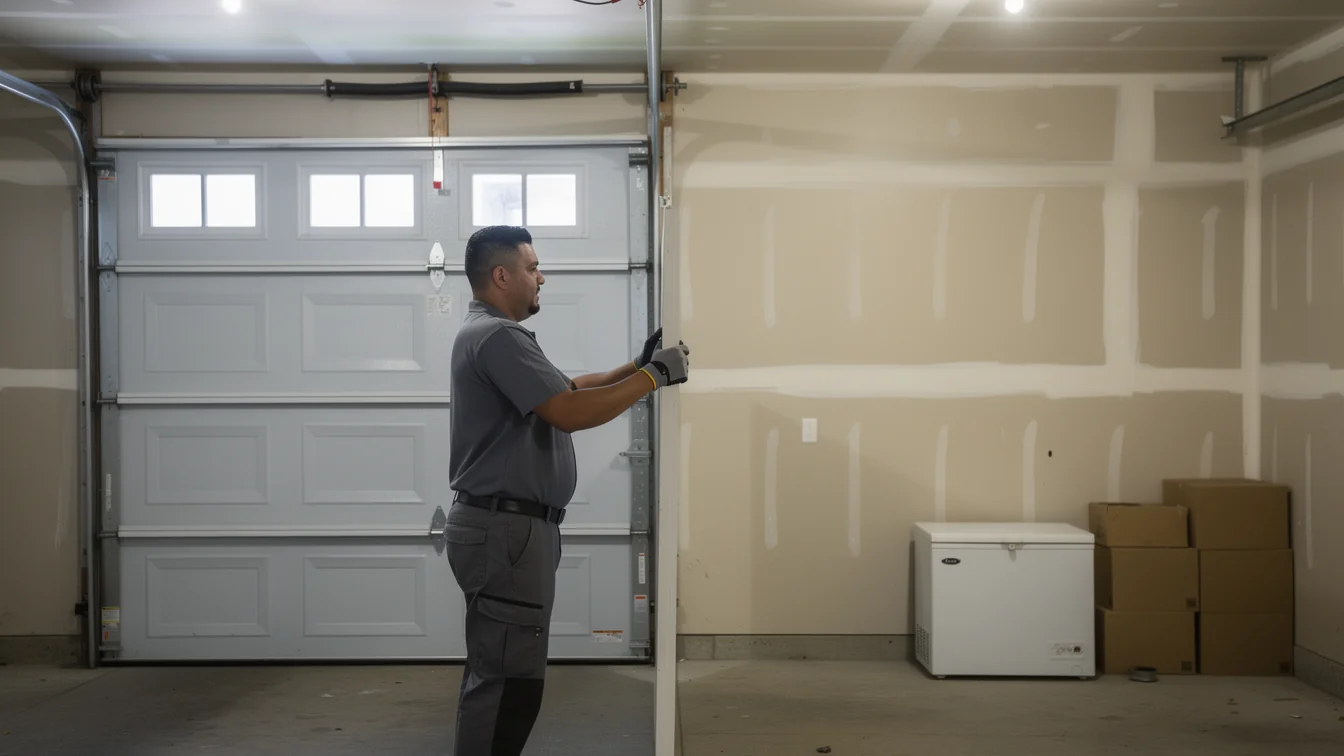
The biggest mistake we see is someone replacing a part without asking why it failed. Around here that matters more than most places. Housing in this market was mostly built between 1938 and 1995, with the median landing around 1973, and across the 50 or so named areas that make up this service territory, the bulk of that stock is 1960s and 70s construction. That means a huge share of the doors we're called out to aren't failing because of bad luck - they're failing because the hardware was sized and installed for a house that's now 50 to 60 years old. Owners swap a cable or a roller and the door seems fine for a month, then the next part goes, because the spring underneath it all was never upgraded to match the door's actual weight and cycle count. We check the build era of the house before we quote anything, because it tells us what's probably still original behind that panel. Skipping that step is how a $40 roller job turns into three separate service calls over a year.
The area
This area sits in a climate band we'd call cold-severe, and that changes how a door ages, not just how it feels to open in January. Steel track and torsion springs both contract in the cold, and on a door that's already decades old, that contraction is what turns a slightly worn part into a snapped one. Doors from around the 1973 median build year were mostly steel panels without the foam-core insulation that's standard in anything built today, so in a cold winter they flex at the seams more than a newer door would, and that flexing works bolts and hinges loose over time. Garages that aren't heated see the worst of it - condensation forms on the cold steel, works into any gap in the weatherstripping, and freezes the bottom seal to the slab overnight. We get a run of calls every winter for doors that won't lift because the seal is frozen down, not because anything is actually broken. That one's usually a five-minute fix, but it looks alarming at 6 a.m. before work.
What we find
When we get to a house in this area - Manheim, Millersville, Lampeter, Willow Street, or anywhere in that ring of towns inside about a 12-mile radius - we're almost always looking at one of two things: original hardware reaching the end of its service life, or a repair job from decades back that didn't account for the door's actual weight. A torsion spring sized for a lighter door in 1975 doesn't hold up once someone's replaced the panels with something heavier, and nobody goes back to recalculate the spring when that happens. We also see a lot of openers from past upgrade cycles bolted onto track that's never been touched since the house was built - the motor is new, the rail it's riding on is not. None of this is unique to one house. It's what you'd expect from a market where most homes share a build era within a 20-year window. The pattern repeats enough that we can usually guess the decade a door was installed before we ever open the panel.
How we work
Call before the door comes off the track entirely, not after. If a door is noticeably heavier to lift by hand than it used to be, that's a spring losing tension, and it's worth a look before it lets go under load. If you're hearing a grinding or popping sound that wasn't there a month ago, that's usually a roller or hinge on its way out, not something that fixes itself. We'll be straight with you: if the door is from that 1960s-70s wave of construction and the track is bent or rusted through, replacing the door is often cheaper over five years than patching it piece by piece, and we'll tell you that instead of running up a repair bill on a door that's done. What we won't do is promise same-day parts for every model - older hardware sometimes has to be special-ordered, and that's a real limitation, not an excuse.
Questions
Cold contracts steel track and torsion springs, and in a cold-severe climate like this one that effect is real, not imagined. On an older door - and a lot of the stock here dates to the 1960s and 70s - that extra resistance is often enough to reveal a spring that was already close to failing.
If your home was built in the median range for this area, around 1973, there's a decent chance at least some of the hardware - track, hinges, maybe the spring - is original or close to it. We check the install date and wear pattern before assuming anything needs replacing.
Usually not. It's common on unheated garages here once temperatures drop, especially on older doors without foam-core panels. It's rarely a sign of damage, but if it happens repeatedly it's worth having the weatherstripping checked.
Depends on the track and panel condition more than age alone. If the track is bent or rusted and the door dates to that 1960s-70s building wave common in this area, replacement often costs less over time than repeated repairs. We'll tell you straight if that's the case.
Recommendation
More garage door guides for Lancaster homeowners.
Lancaster homes mostly date to 1973, and the cold climate here is hard on old torsion springs and tracks.
Read more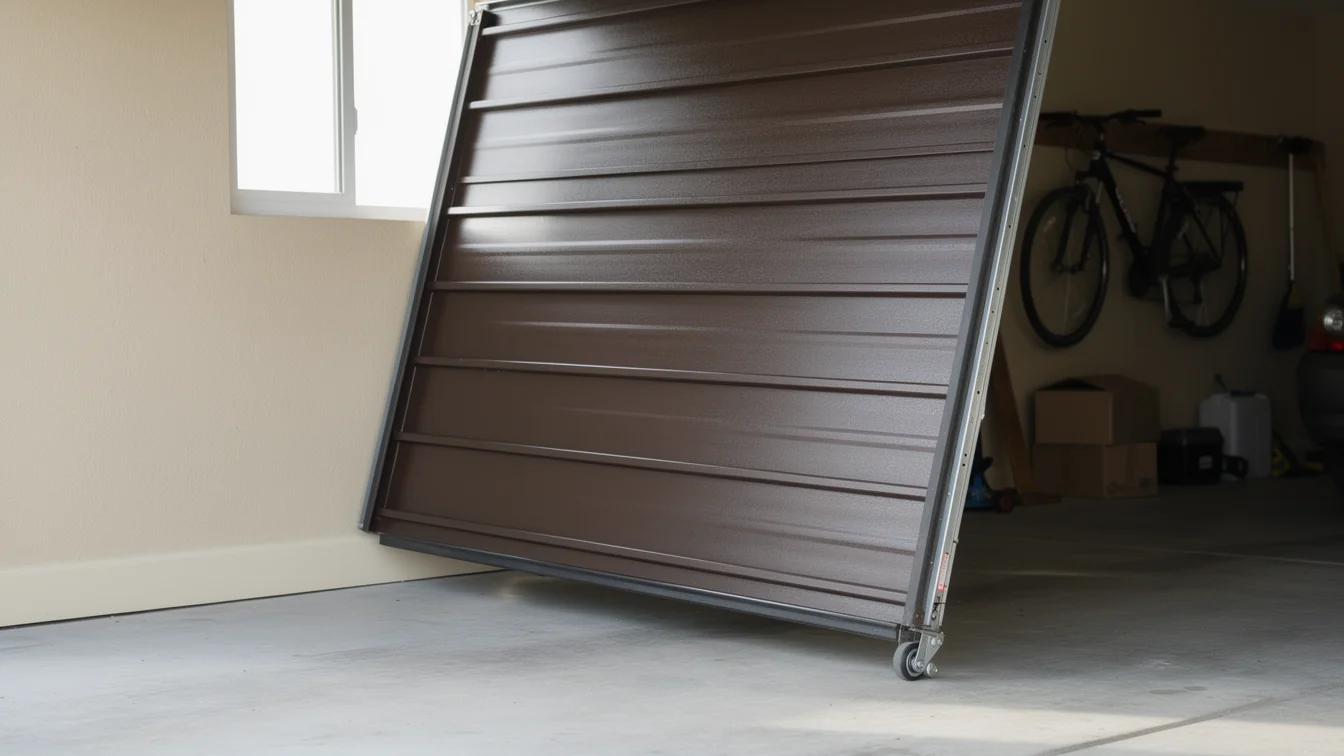
A look at why garage doors in Lancaster, PA slip off track - tied to the age of local housing stock and the cold winters that work on track brackets year after year.
Read more
Lancaster homes built mostly between 1938 and 1995 need doors sized for older framing and cold winters.
Read moreReady when you are
Lancaster Garage Door Pros repairs and installs garage doors, springs and openers in Lancaster, PA and the surrounding area.