
Willow Street, Lancaster
Garage Door Service for Willow Street Homes
Willow Street homes run newer than most of the Lancaster area, which changes the parts, springs, and openers we bring. Local numbers, straight talk, honest pricing.
How We Fix It
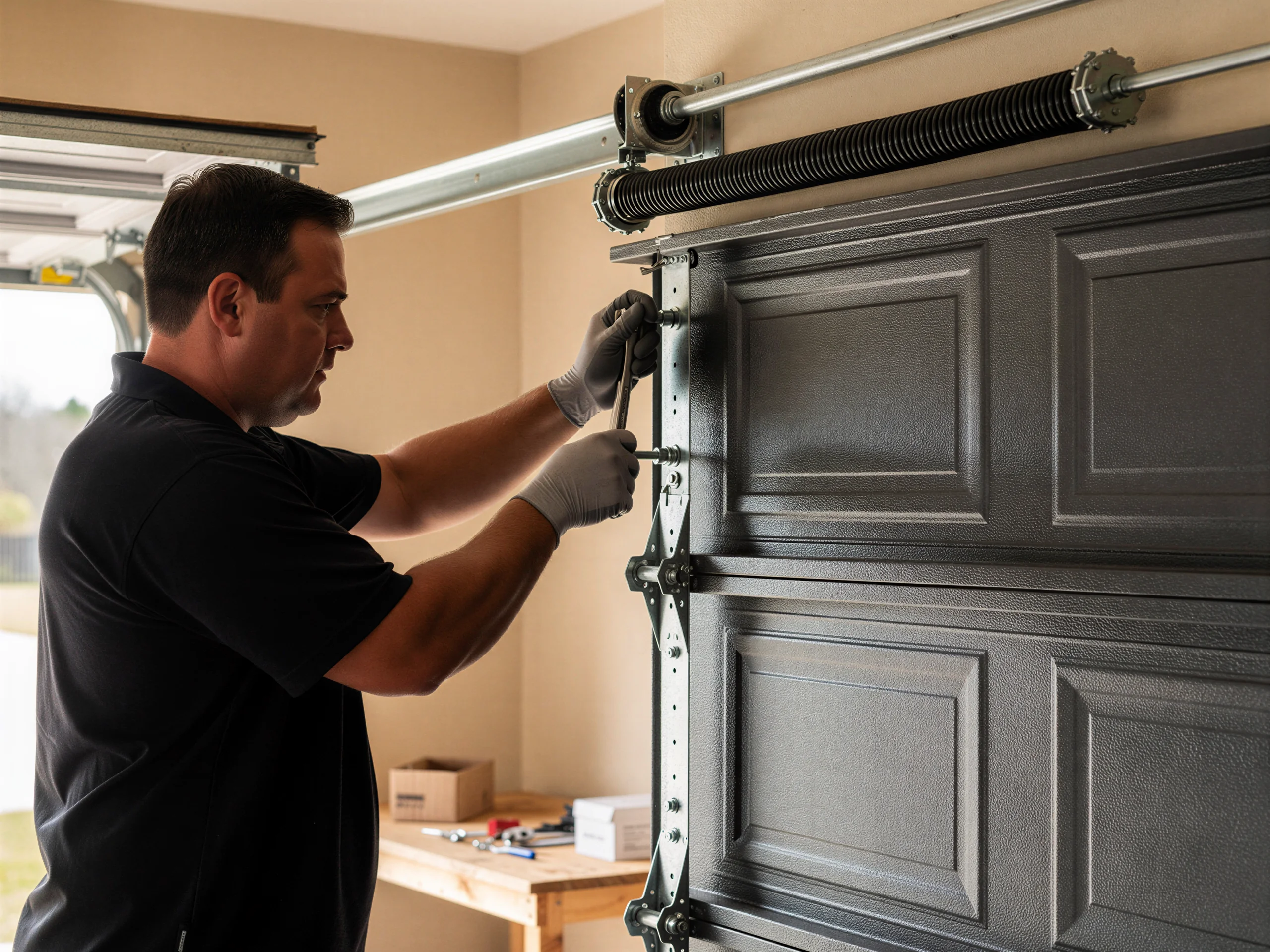
On a Willow Street call, the first thing we do is match the fix to the house's actual age rather than assuming based on how the neighborhood looks from the street. A door built around the 1989 median gets diagnosed differently than a door from the 1973 regional median - different spring tension, different opener logic, different failure points. We test the opener's safety sensors, check torsion spring tension against the door's actual weight, and look at track alignment before replacing anything. If it's a straightforward spring or roller swap, we do it on the spot. If the opener's dead and the replacement parts aren't in stock, we'll quote the job and schedule the return trip instead of guessing at a fix that won't hold through a cold winter.
Stocked Parts
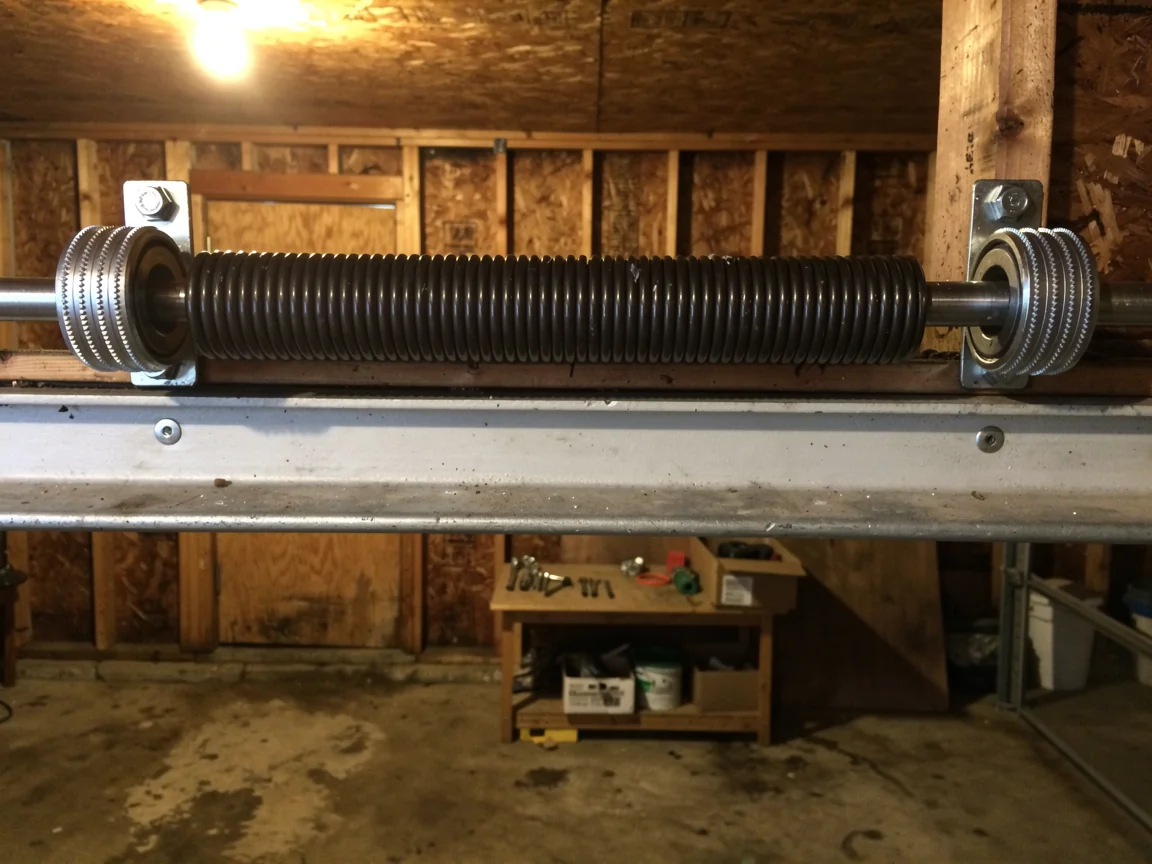
We carry what fits the housing stock we actually see out here - torsion springs in the sizes common on sectional steel doors from the late 1980s and '90s, standard rollers and cables, and replacement sensor pairs for the chain and belt drive openers that came standard in that build era. What we don't always have on the truck is a board or rail for a discontinued opener model from that same window - those sometimes take a parts order, and we'll tell you up front if that's the case rather than make a second trip look like bad planning.
Where This Job Goes Sideways
The trouble spot on newer doors like Willow Street's is the opener electronics, not the door itself. Steel sectional doors from the late '80s and '90s hold up fine mechanically, but the openers from that era are starting to fail on logic boards and old sensor wiring, and the fix isn't always a clean swap - sometimes the rail, the motor, and the safety sensors don't match anything currently made, and a repair turns into a full opener replacement mid-job.
Flag issues before starting
We'll flag that possibility before we start rather than after we've opened the housing. The other place it goes sideways: a homeowner assumes a quiet, newer-looking door means a newer spring.
Cycles, not looks, wear springs
Springs wear on cycle count, not on how the door looks, and a 1989-era torsion spring can be just as due for failure as one on an older house.
How to Book
Call and tell us you're in Willow Street - we'll ask the age of the house, roughly, and what the door is doing.
Specific part failure questions
Since most homes here post-date 1989, we're usually asking about a specific part failing rather than guessing at a worn-out door from the 1970s. Give us the opener brand if you can see it, and whether the door is one piece or sectional panels; it changes what's on the truck when we head the four miles out from Lancaster.
Same crew across the area
We don't run a dispatch center in Willow Street itself, so booking here is the same call, same scheduling, same crew as the rest of the area - just a shorter drive than most.
What Causes It Around Here
The housing stock in Willow Street runs newer than most of what we see in Lancaster proper. Across the full service area, homes were built mostly between 1938 and 1995, with a median around 1973 - older one-piece doors, older hardware, parts nobody stocks. Willow Street's median year built is 1989, a solid 16 years past that regional median. That means fewer original wood doors and more steel sectional doors on torsion springs from the factory, with openers that are chain or belt drive rather than the screw-drive units common on older houses. The failures we see here tend to be wear-related rather than age-related: worn rollers, a cable starting to fray, a sensor knocked out of alignment, a spring that's simply hit its cycle count. The service area sits in a cold, severe winter climate, and on newer doors that still means frozen tracks, stiff springs on the first cold snap, and openers straining against ice-stuck weatherstripping - just on hardware that's a couple of decades younger than what we pull out of older Lancaster blocks.
What You Pay
Willow Street is a small place to service - about 4,293 households, a fraction of the roughly 103,156 households and 40,693 owner-occupied houses spread across the wider Lancaster service area.
Drive not padded on bill
That size matters for pricing: it's not a town with its own depot or crew, so every job here is a truck coming from Lancaster, four miles up the road. We don't pad the bill for the drive, but we also don't pretend there's a branch office around the corner.
Income and fault cost
What you pay depends on what's actually wrong - a broken extension spring is a different ticket than a bent track or a dead opener board. Median household income here runs $106,867, well above the $85,302 median across the broader service area, and we price the same whether the house is in Willow Street or anywhere else we cover.
Range before touching door
We'll tell you the likely range before we touch the door, and if the fix isn't worth it compared to replacement, we'll say so instead of running up a repair bill on a door that's done.
Questions
Common questions
Is there a Lancaster Garage Door Pros location in Willow Street?
No. We cover Willow Street from our base in Lancaster, about four miles away. There's no separate branch or depot here - it's the same crew and the same scheduling as the rest of the service area, just a short drive.
Are Willow Street garage doors different from older Lancaster doors?
Generally yes. Willow Street's median year built is 1989, newer than the broader service area's 1938-1995 range with a median around 1973. That usually means steel sectional doors on factory torsion springs rather than the older one-piece doors we see elsewhere.
Does winter cause problems for newer doors in Willow Street?
It can. The whole service area sits in a cold, severe climate band, and even newer doors stiffen up on the first hard freeze - tracks ice over, springs tighten, and weatherstripping sticks to the slab. Age of the door doesn't exempt it from winter.
What if my opener parts aren't in stock?
We carry common springs, rollers, cables, and sensors for the opener types typical of late-1980s and '90s installs. Boards or rails for discontinued opener models sometimes need to be special ordered, and we'll tell you that before we leave, not after a second trip.
Explore more
More Services in Willow Street
Cable Repair
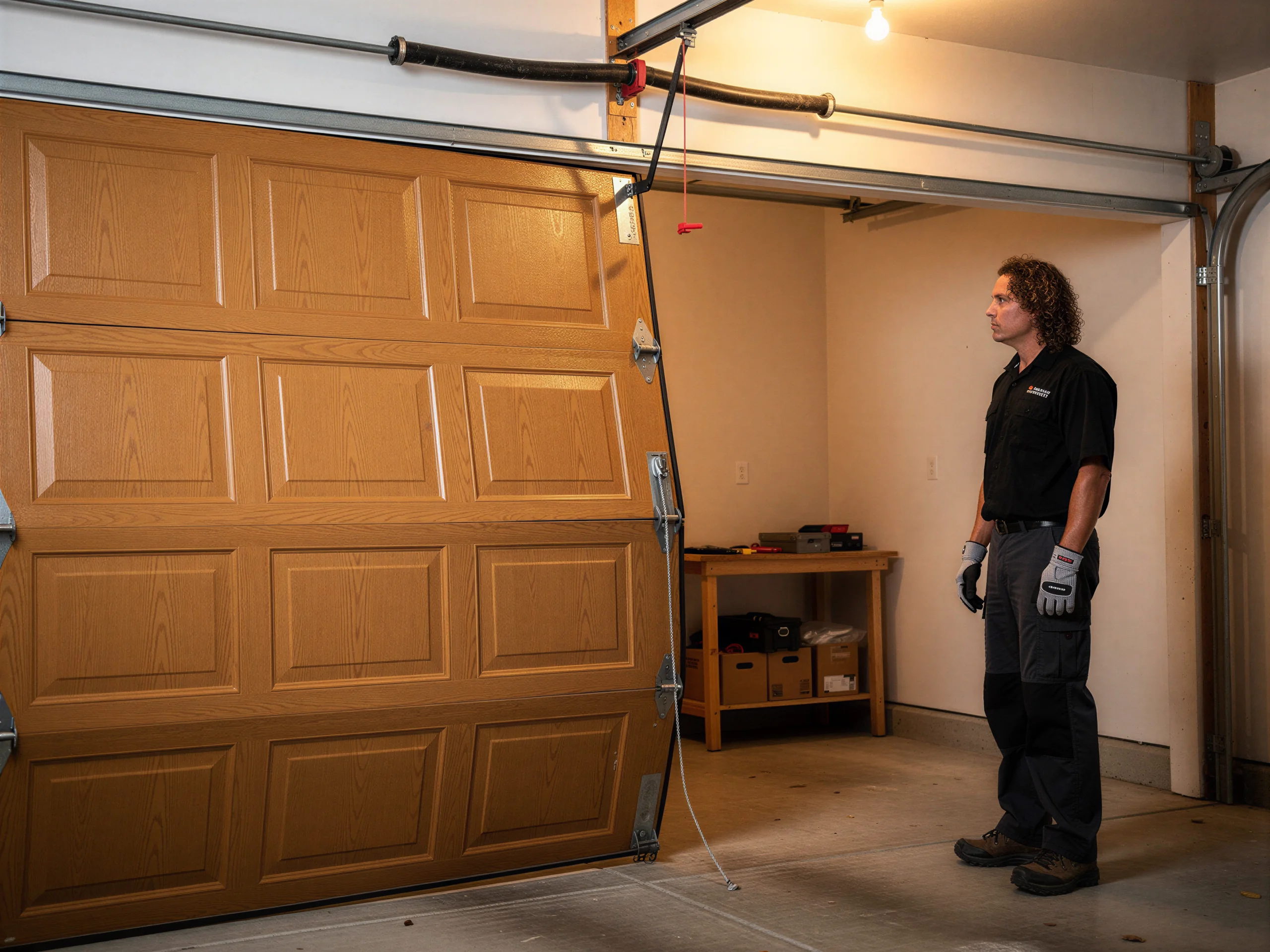
Willow Street homes mostly date to 1989, not the 1973 median across Lancaster's service area. Learn more →
Emergency Garage Door
Willow Street homes built around 1989 are hitting original torsion spring failure age. Learn more →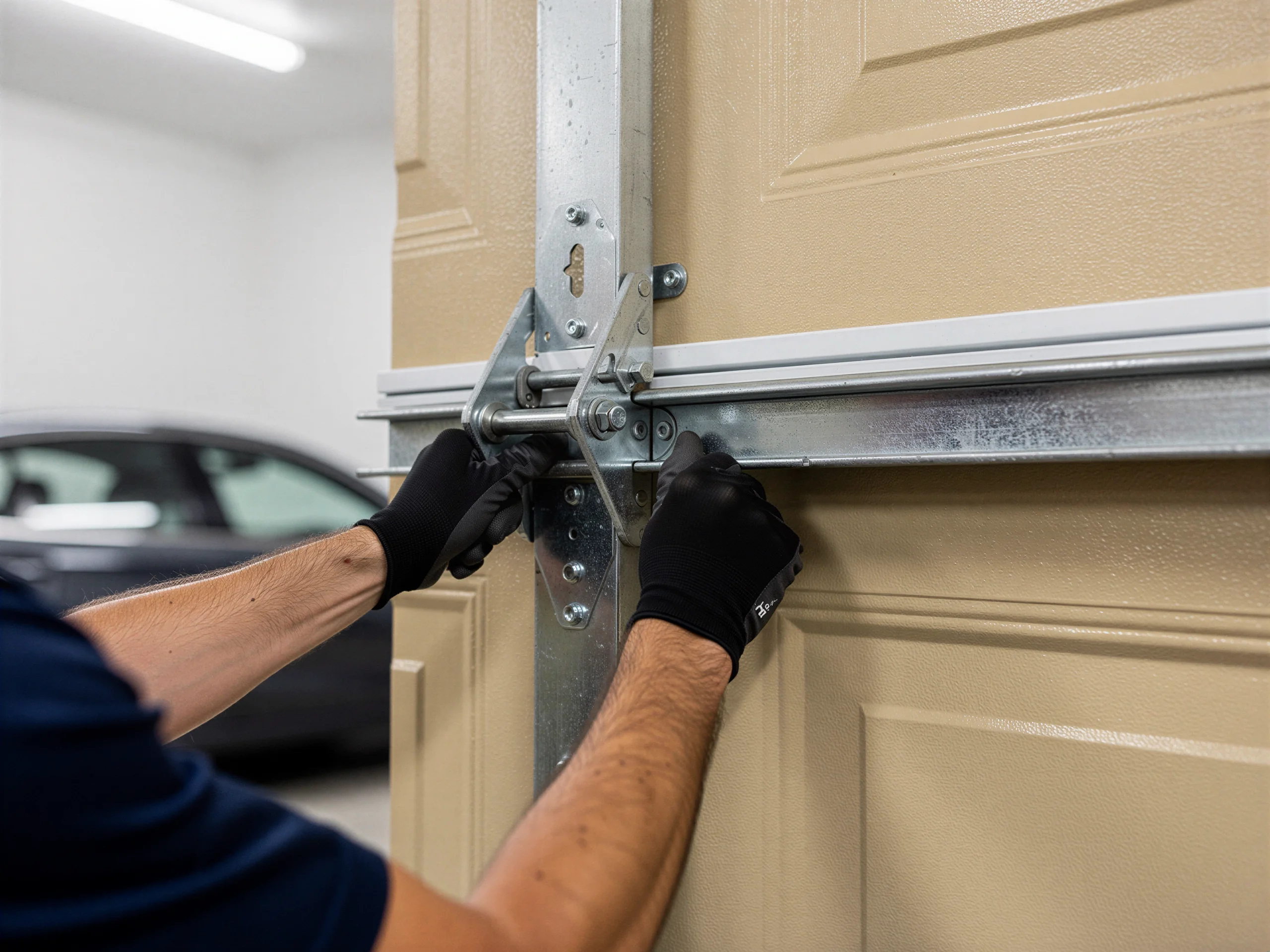
Garage Door Repair
Willow Street homes mostly went up after 1989, later than most of the service area, which changes what breaks and what parts we carry on the 4-mile drive out from Lancaster. Learn more →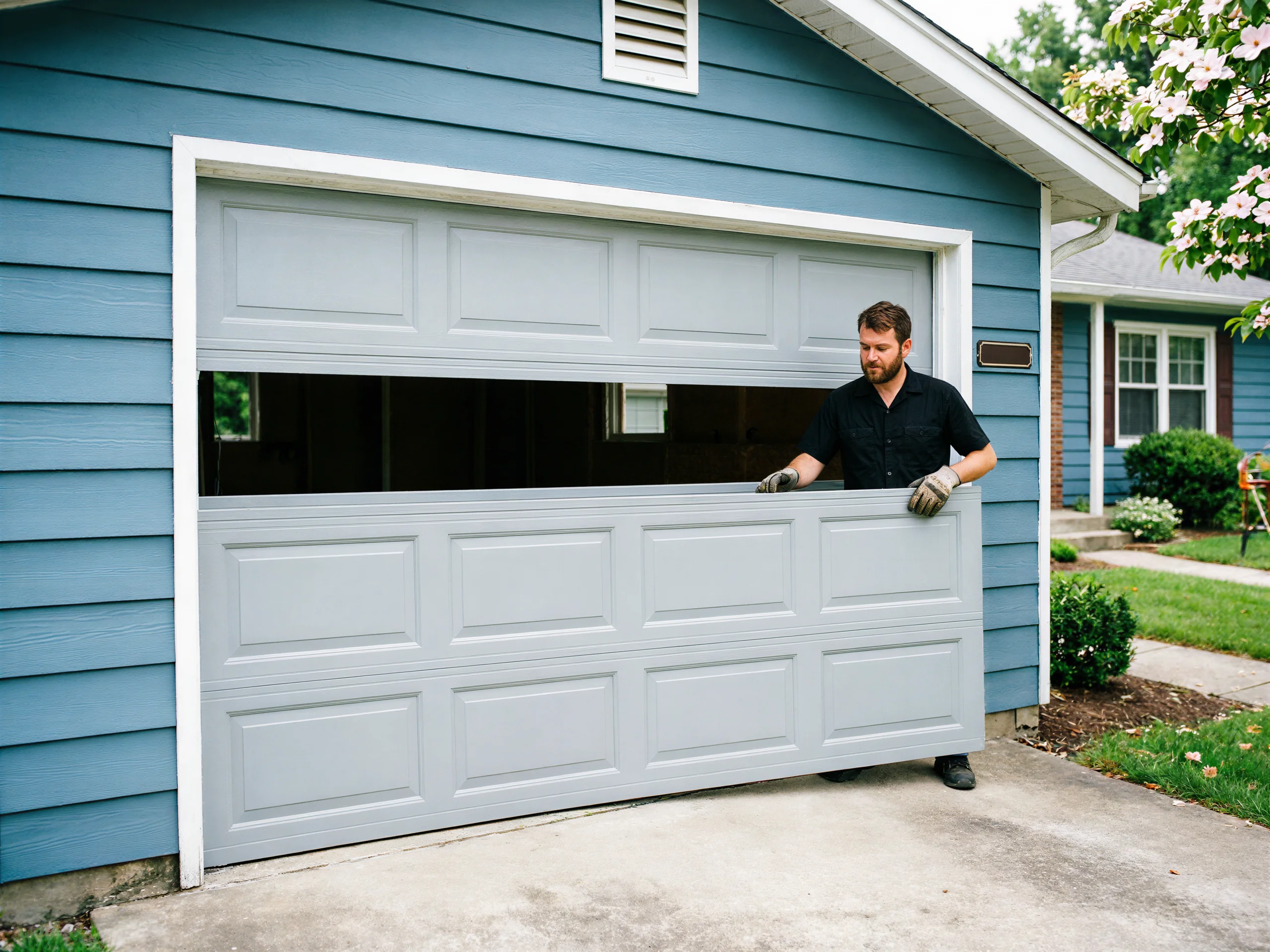
New Door Installation
Willow Street's housing runs newer than much of Lancaster County, and household income here changes the repair-or-replace math on garage doors locally. Learn more →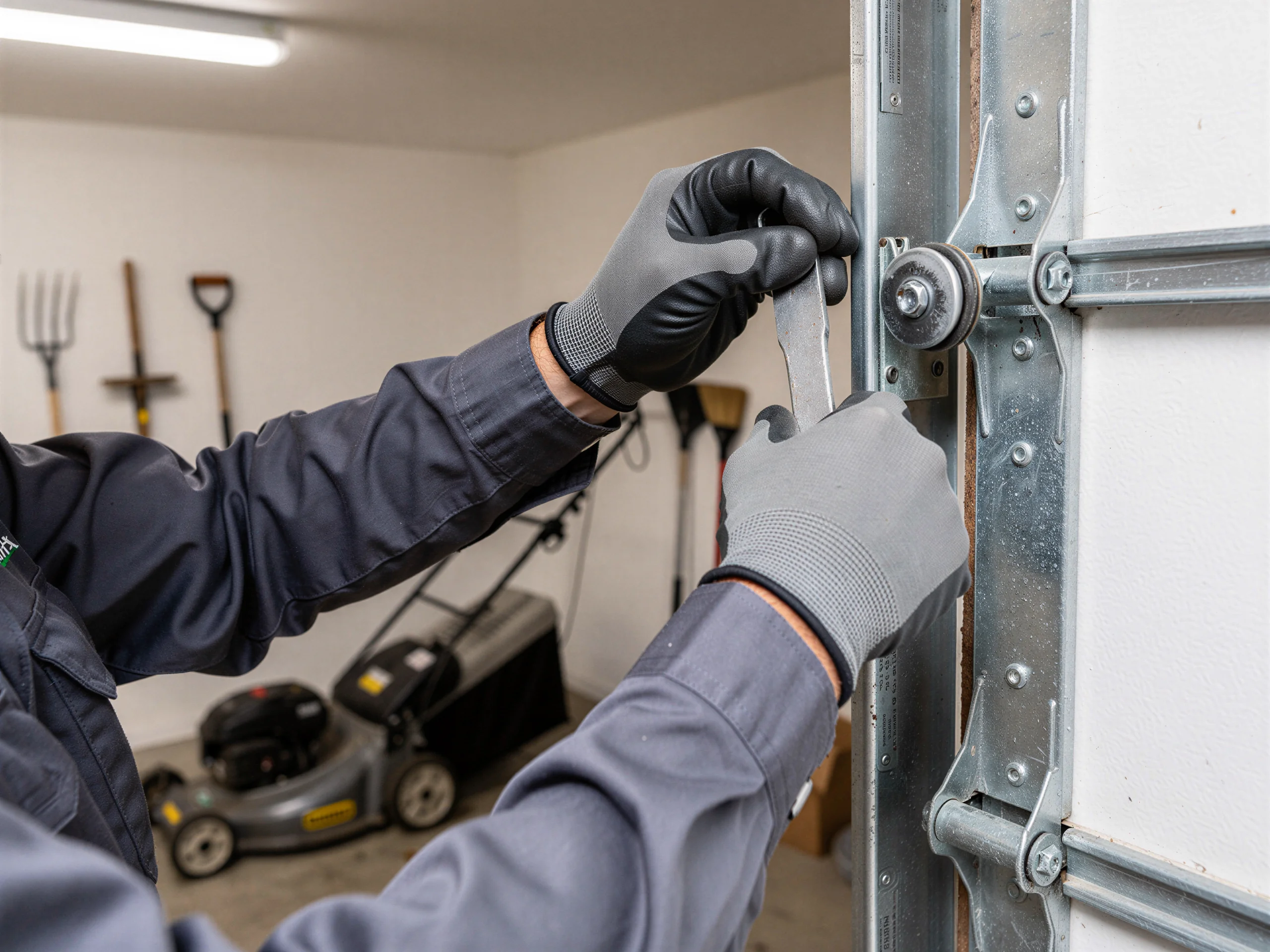
Off Track Repair
Willow Street homes mostly date to 1989, so off-track doors here usually trace to original builder-grade track hardware, not 1970s stock. Learn more →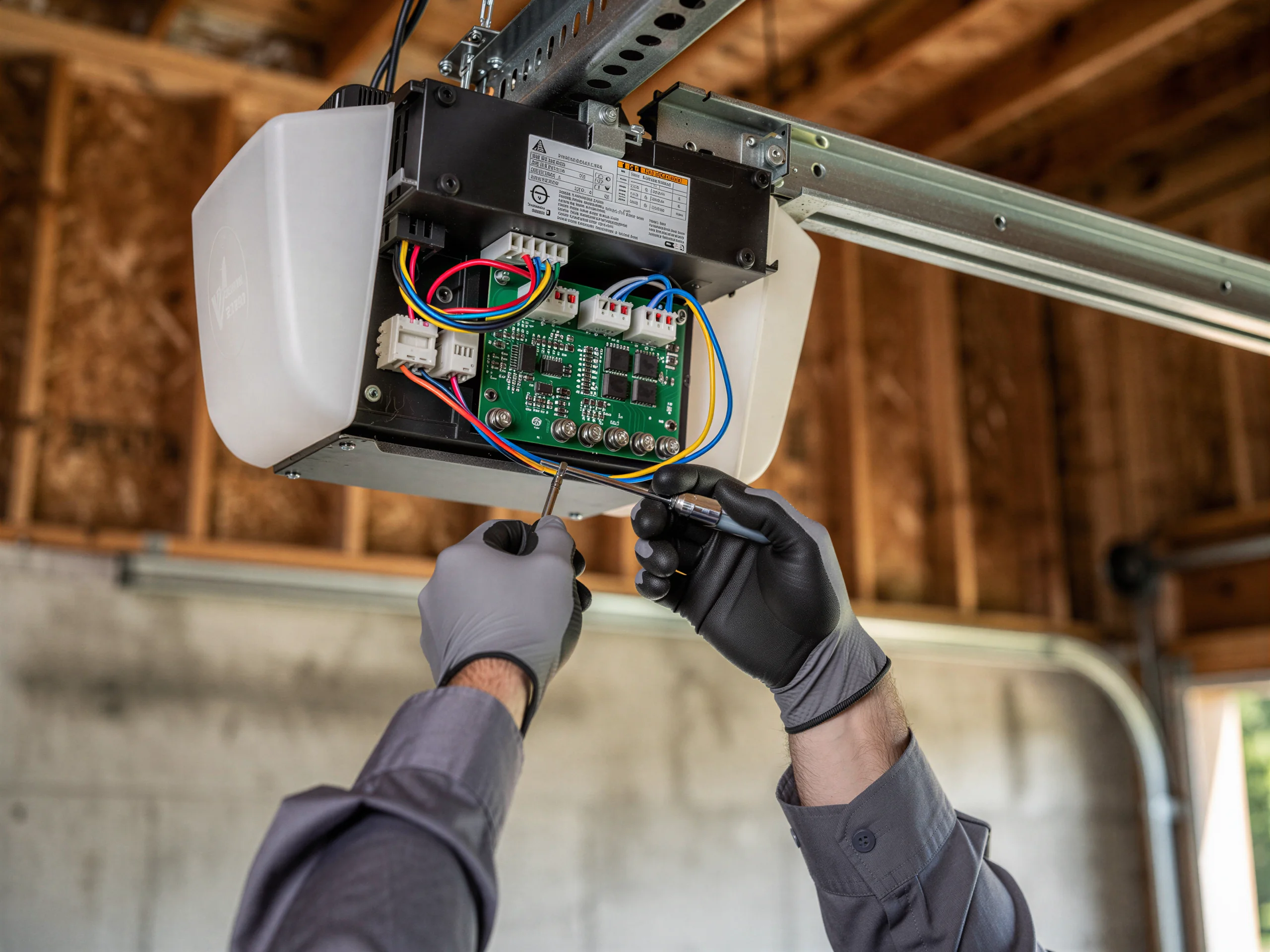
Opener Repair
Willow Street homes went up around 1989, so most openers here are aging chain drives. Learn more →
Roller Replacement
Willow Street's housing mostly went up around 1989, later than most of the Lancaster area, which changes what roller wear actually looks like here. Learn more →Ready when you are
Need garage door service in Willow Street?
Lancaster Garage Door Pros repairs and installs garage doors, springs and openers in Lancaster, PA and the surrounding area.