
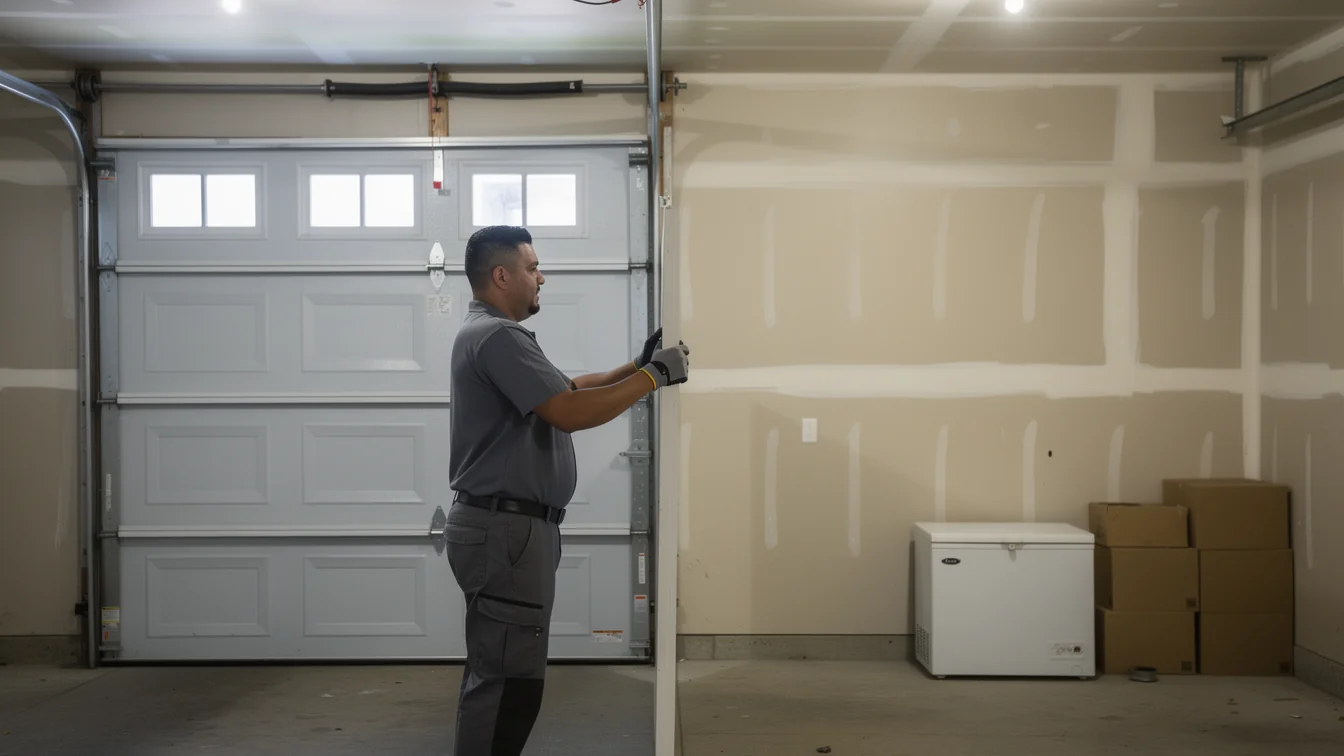
What We Look At Before We Touch Your Door
A look at what actually goes wrong with garage doors in Lancaster's older housing stock and cold winters, and what a technician checks before quoting a repair.
Read moreA look at why garage doors in Lancaster, PA slip off track - tied to the age of local housing stock and the cold winters that work on track brackets year after year.
Local detail
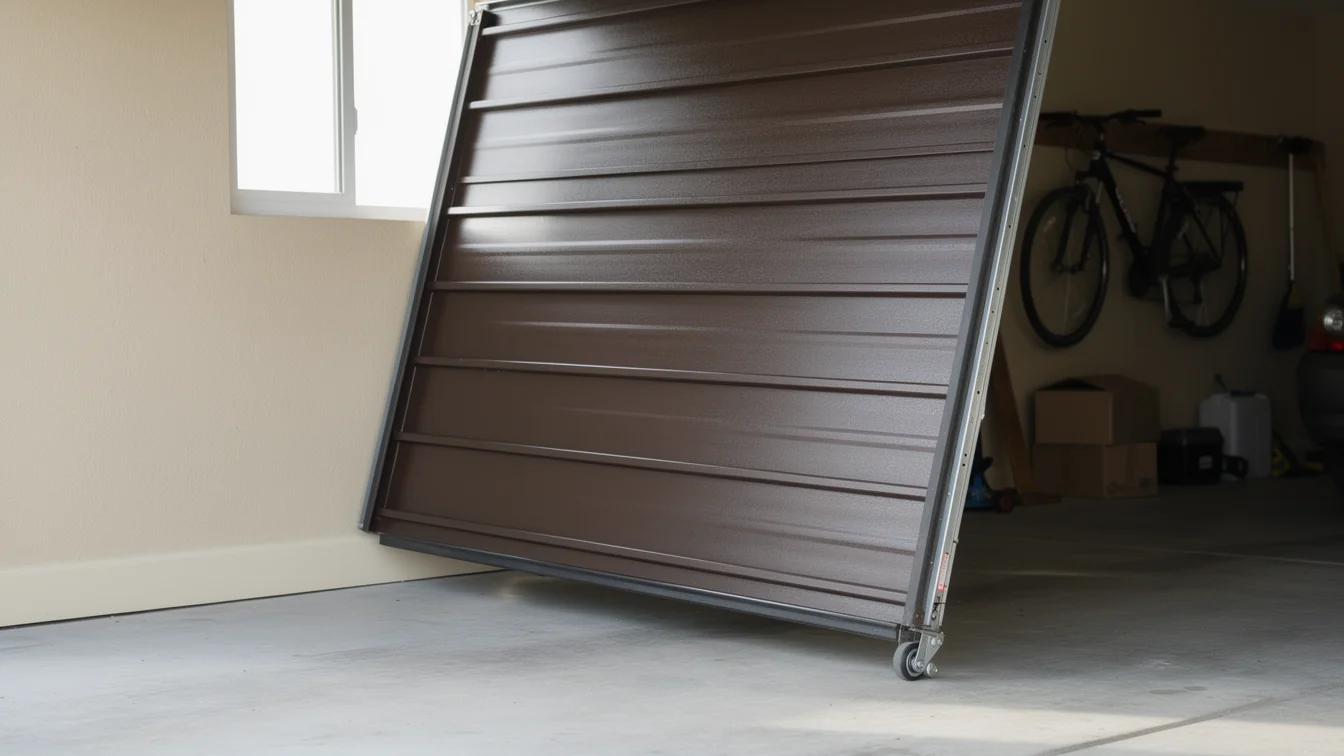
The usual mistake is treating an off-track door like a one-time accident - somebody backed into it, or a kid hung on the bottom panel - and forcing the door back into the tracks with a pry bar or a shove. On a lot of the houses we see, that's not what happened. Housing in this service area was mostly built between 1938 and 1995, with the typical home dating to 1973, and that means the track brackets holding the rail to the frame are original or close to it. Fifty-plus years of seasonal movement in the framing lumber loosens those lag screws slowly, long before anyone notices the door riding crooked. People also skip the easy check: looking at whether the track itself is bent versus whether the bracket has pulled away from the jamb. Those are two different repairs, and forcing a bent track back into alignment usually just bends it again somewhere else. If the rollers are original nylon from a door that old, they've likely gone brittle and oval instead of round, which throws the door off line even with a straight track. Realigning a track without checking the bracket, the rollers, and the jamb itself is a short-term fix on a house of this age.
The area
Lancaster sits in a climate band the federal data classifies as severely cold, and that matters more for an older door than people expect. Wood framing around the opening expands and contracts with every freeze-thaw cycle through the winter, and on a house built in the 1960s or 70s - which describes most of the stock across the fifty named areas this shop covers - that framing has had decades to work the lag screws loose a sixteenth of an inch at a time. You don't see it happen. You see the door running fine in July and binding or jumping track in February. Cold also stiffens the lubricant in old rollers and hinges, so the door has more resistance right when the framing has shifted the most, and that combination is what actually pulls a track bracket free rather than one dramatic event. Garage doors without heated space behind them take the worst of it, since there's nothing buffering the swing between a 20-degree night and a 45-degree afternoon. None of this is unique to one bad winter - it's the accumulated effect of a lot of winters on hardware that was never designed to last this long without attention.
What we find
Put the two things together - a door that's likely 30 to 60 years old, on a house from an era when galvanized track and steel brackets were standard rather than the heavier gauge used today, sitting through severe winters for all that time - and an off-track door isn't a mystery. It's wear showing up where the house is weakest: the lag screws into jamb wood, the roller bearings, the track seams. On some of these doors the track has simply spread at a joint from being flexed by a loose bracket for years, and no amount of bar work will close that gap back up cleanly. We can tell pretty quickly, with the door open, whether we're looking at a bracket that needs re-anchoring, a track section that needs replacing, or rollers that have worn enough to need swapping as a set. What we can't tell from a phone call is which one it is - a door that looks off track for two different reasons can look identical from the driveway, and guessing wrong means a second trip.
How we work
Call before you try to force the door back into the rails yourself, especially if the door is heavy enough to be on a torsion spring - that's not a job to muscle through on a ladder. If the door moves unevenly, scrapes against one side of the opening, or you can see daylight between the bracket and the jamb, that's a bracket problem, not something a little grease fixes. If the track has a visible kink or the seam has pulled apart, that section needs replacing rather than straightening; we won't tell you a bent track is fine when it isn't. One limitation worth knowing up front: on older doors we sometimes can't match the original track gauge or roller size exactly, since that hardware isn't made the way it was in 1973, so the fix is often an upgrade to current track rather than a like-for-like swap. That's a conversation worth having before the job starts, not after.
Questions
On older Lancaster-area homes, framing around the opening shifts with the freeze-thaw cycle through a severe winter, loosening the lag screws holding the track bracket to the jamb. Combine that with stiff, cold-hardened rollers and the door has more resistance right when the frame has moved the most - that's usually what pulls it off line, not one single impact.
No. A bent track means the rail itself needs straightening or replacing. A loose bracket means the rail is fine but it's pulled away from the house frame. They can look the same from the driveway but need different fixes, which is why we check both before doing any work.
Not always exactly. A lot of homes in this area were built in the 1960s and 70s with hardware that isn't manufactured to the same spec anymore. In many cases the honest fix is upgrading to current-gauge track and rollers rather than trying to find an exact match.
We'd rather you didn't, especially on a door heavy enough to run on a torsion spring. Forcing a door back into bent or spread track usually makes the damage worse and can be dangerous if the spring lets go while you're working on it.
Recommendation
More garage door guides for Lancaster homeowners.
A look at what actually goes wrong with garage doors in Lancaster's older housing stock and cold winters, and what a technician checks before quoting a repair.
Read more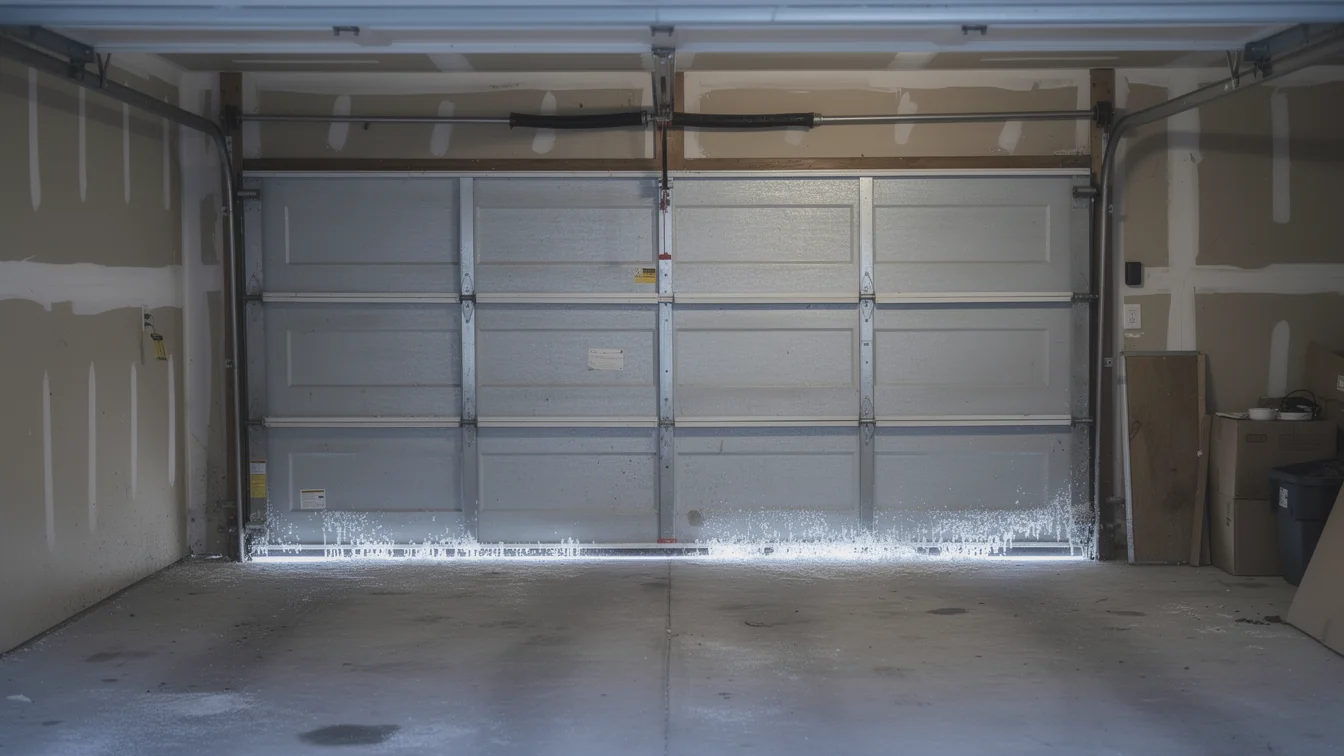
Most Lancaster-area houses date to 1938-1995, many from the 1960s-70s boom, with original hardware never built for today's cold-climate temperature swings and heavier doors.
Read more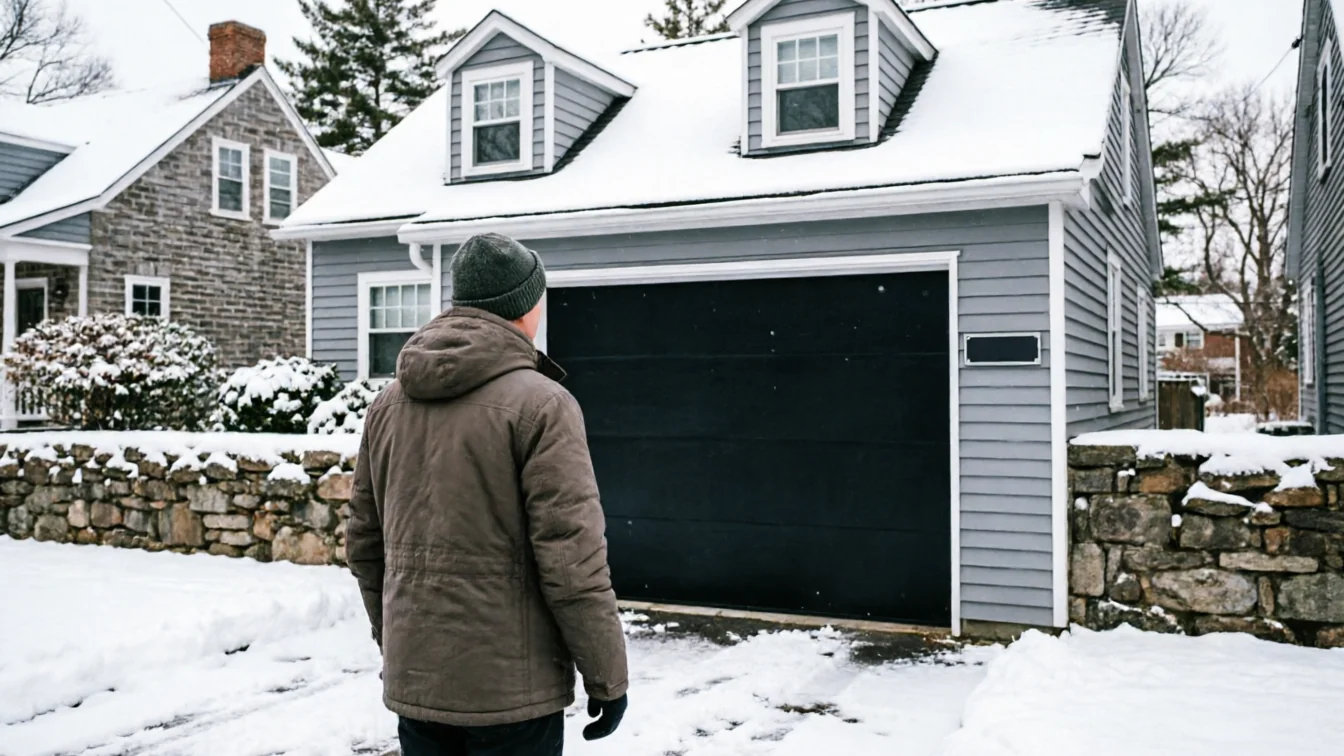
Lancaster homes built mostly between 1938 and 1995 need doors sized for older framing and cold winters.
Read moreReady when you are
Lancaster Garage Door Pros repairs and installs garage doors, springs and openers in Lancaster, PA and the surrounding area.