
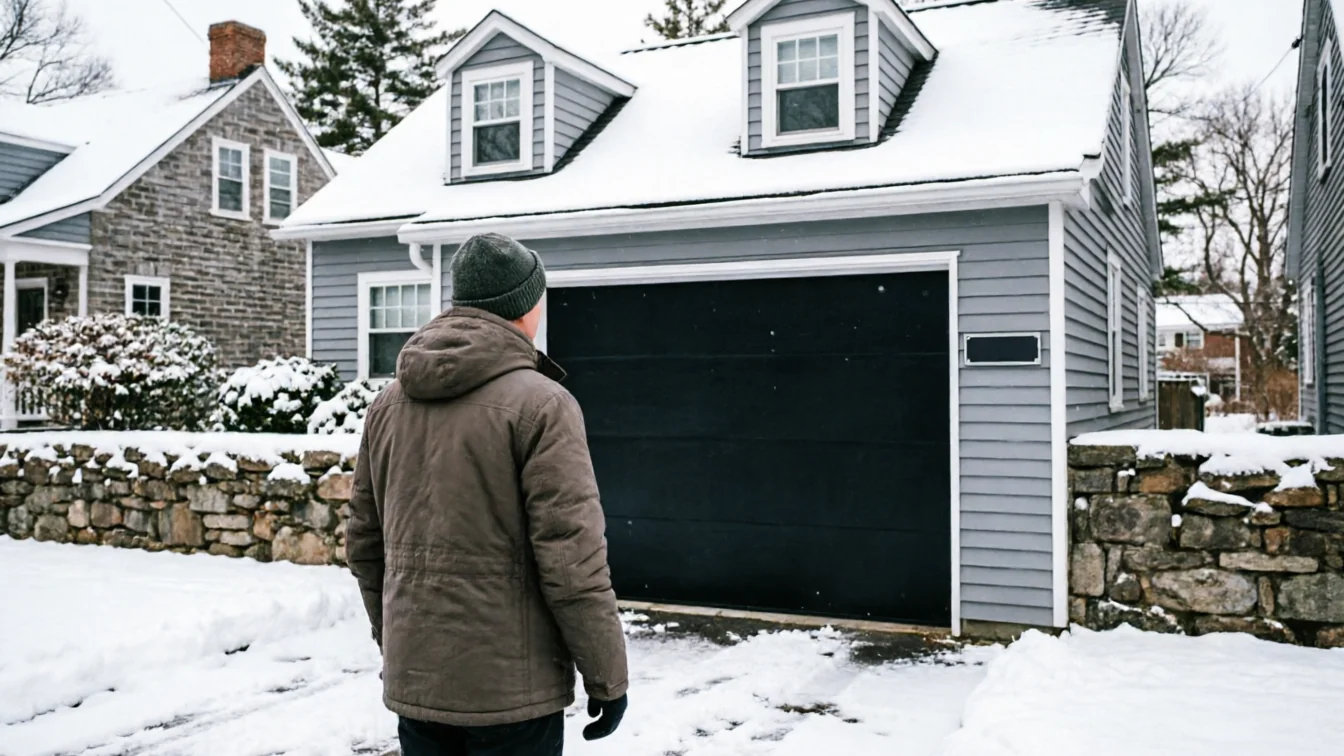
What to Know Before You Buy a Replacement Garage Door in Lancaster
Lancaster homes built mostly between 1938 and 1995 need doors sized for older framing and cold winters.
Read moreLancaster homes built between 1938 and 1995 carry aging torsion springs and rollers that bang, grind, or pop in cold winters. Here's what each sound means.
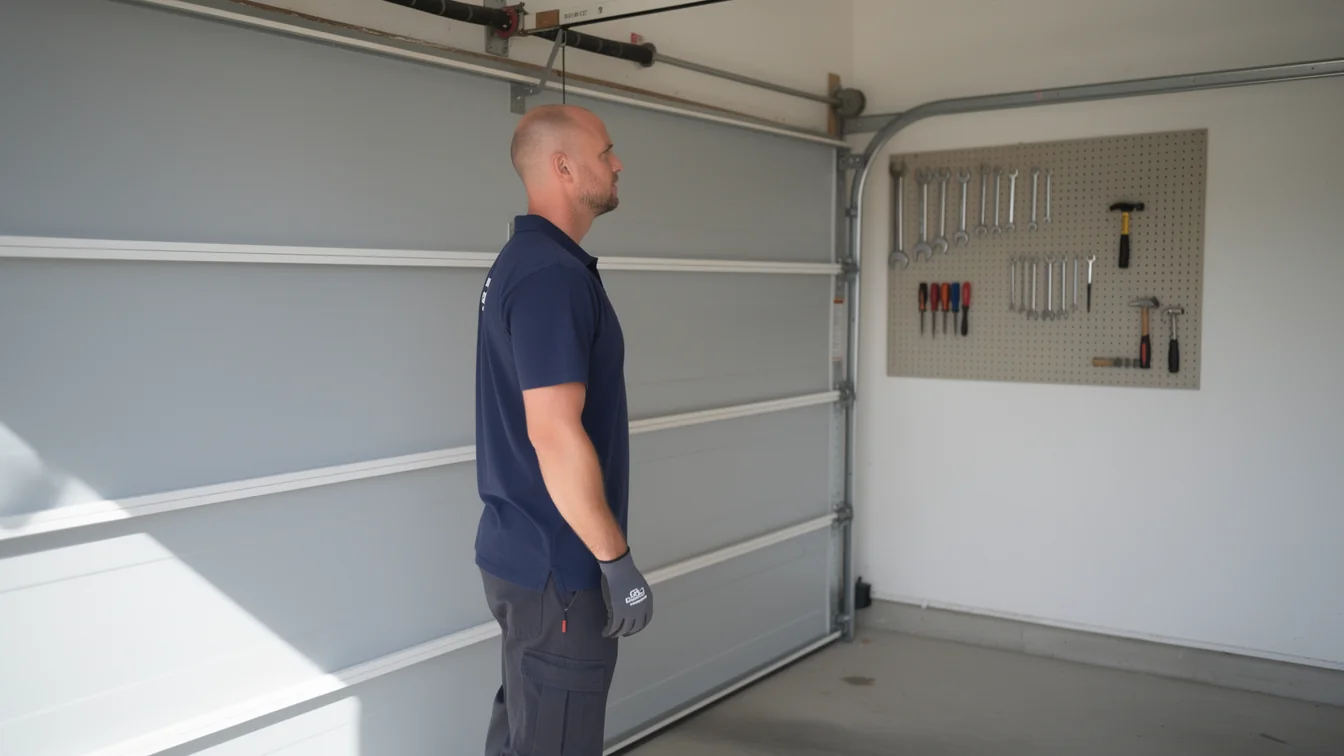
Local detail
Most of the houses we work on around here went up somewhere between 1938 and 1995, with the bulk of that stock dating to the 1960s and 70s. That matters because a lot of owners assume a noisy door is just what an older door sounds like, so they live with it for years. The spring, the rollers, and the track hardware on a house built in 1965 are not the same gauge or style you'd find on something built last year, and a sound that's normal on a newer torsion setup can mean something is about to fail on an original one. The other mistake is spraying anything handy on a squeaky roller or hinge. A quick squirt quiets things down for a week, then the noise comes back louder because the lubricant washed grit into the bearing instead of out of it. On doors this age, a squeal is often the bearing telling you it's dry, not the roller telling you it needs oil. We'd rather see a call before the spring lets go than a service call after it already has, since a broken torsion spring under tension is the one failure that actually hurts someone.
The area
This area sits in a cold climate band with real winter severity, and steel doesn't behave the same at 15 degrees as it does at 75. Torsion springs lose a measurable amount of lifting force as the metal contracts in cold weather, which is why a door that worked fine in October suddenly feels heavy and groans on its way up in January. Grease inside the spring coils and along the track thickens in the cold too, so a roller that rolled quietly all summer starts to chatter once temperatures drop. On the older housing stock common here, from the 1938 through 1995 build range, the hardware was sized for the springs and openers of its day, with less margin to spare, so cold-weather strain shows up faster and louder than it would on a newer, heavier-duty setup. Ice is the other piece. A door that gets even a thin film of ice at the bottom seal will pop and crack as it breaks the seal free each time it opens, a sound that has nothing to do with the spring or opener and everything to do with the weather that week.
What we find
A rhythmic grinding or grating, once per rotation, is almost always a roller bearing that's dried out, and it's especially common on the older 1960s and 70s stock where steel rollers were standard before nylon became the norm. A loud bang followed by the door feeling loose or hard to lift by hand is a torsion spring cycle failure, more common on doors running original hardware from the earlier end of that 1938 to 1995 build range simply because the springs have logged more winters. A metallic popping on the way up, especially on cold mornings, is usually panel sections flexing as the steel contracts, not a structural problem. A low rattling buzz when the opener runs can be a loose chain or belt, or hardware that's worked itself loose over decades of seasonal temperature swings. None of these sounds tell you exactly what's wrong by themselves, but the pattern, when it happens, and how long it's been going on together narrow it down fast for anyone who's listened to a lot of these doors.
How we work
Call right away for any bang, snap, or sudden loss of lift, that's spring behavior and the door should not be opened by hand or by opener until it's checked. A steady squeal or grind that's gradually gotten louder over weeks is worth scheduling before it becomes an emergency call. We'll be honest about the limit here: if your door and opener are both original to a house from the early end of that 1938 to 1995 range, repair parts for some of that older hardware aren't something we keep on the truck, and sourcing an exact match can take longer than most people expect. In those cases replacing the spring and roller set is usually the faster and more sensible fix than waiting on a part that matches 50-year-old hardware. If the noise only shows up on the coldest mornings and disappears by afternoon, that's often just the cold doing what cold does to steel, and it's fine to mention it at a regular service visit rather than treat it as urgent.
Questions
Cold contracts steel and thickens grease, so torsion springs lose some lifting force and rollers that were fine in summer start to chatter or squeal. This area sees severe winter cold, and older hardware common in homes built here between 1938 and 1995 has less margin built in, so the effect shows up sooner and louder than it would on newer equipment.
No. A steady per-rotation grind is more often a dry roller bearing, especially on the steel rollers common in houses from the 1960s and 70s stock around here. A spring failure usually sounds like a single loud bang, not a repeating grind, and the door will feel noticeably heavier afterward.
A light spray can mask a squeak for a week or two, but on older bearings it often washes grit in rather than out, and the noise comes back worse. If the door is original to a house built well before 1995, it's worth having the hardware looked at rather than relying on spray alone.
A bang, a snap, or the door suddenly feeling too heavy to lift by hand means the spring has failed or is about to, and that's an emergency, stop using the door. A gradual squeal or grind over several weeks is worth booking a visit for, but it's not something that needs a same-day call.
Recommendation
More garage door guides for Lancaster homeowners.
Lancaster homes built mostly between 1938 and 1995 need doors sized for older framing and cold winters.
Read more
Lancaster homes mostly date to 1973, and the cold climate here is hard on old torsion springs and tracks.
Read more
Lancaster homes built between 1938 and 1995 have detached or attached garages with different weak points.
Read moreReady when you are
Lancaster Garage Door Pros repairs and installs garage doors, springs and openers in Lancaster, PA and the surrounding area.