
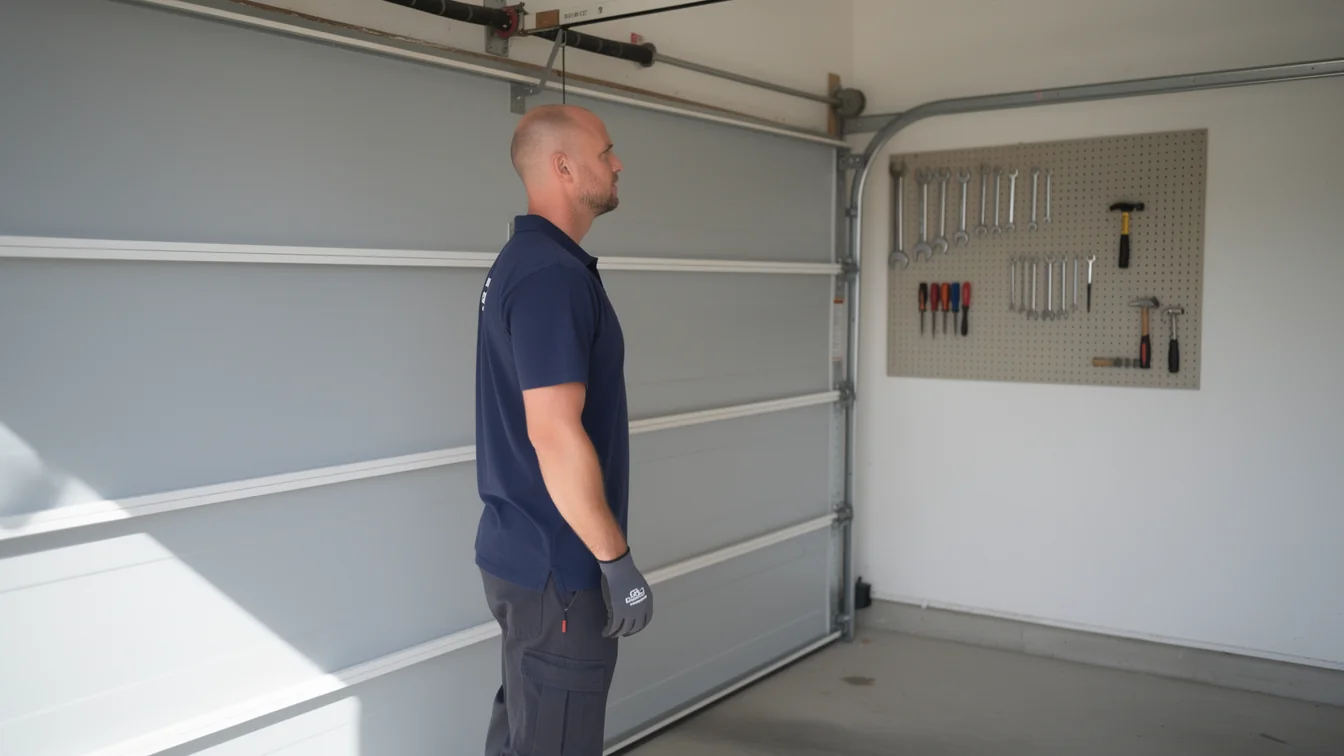
What Those Sounds in Your Lancaster Garage Are Telling You
Lancaster homes built between 1938 and 1995 carry aging torsion springs and rollers that bang, grind, or pop in cold winters.
Read moreLancaster homes built between 1938 and 1995 have detached or attached garages with different weak points. Here's what that means for your door, spring, and opener.
Local detail
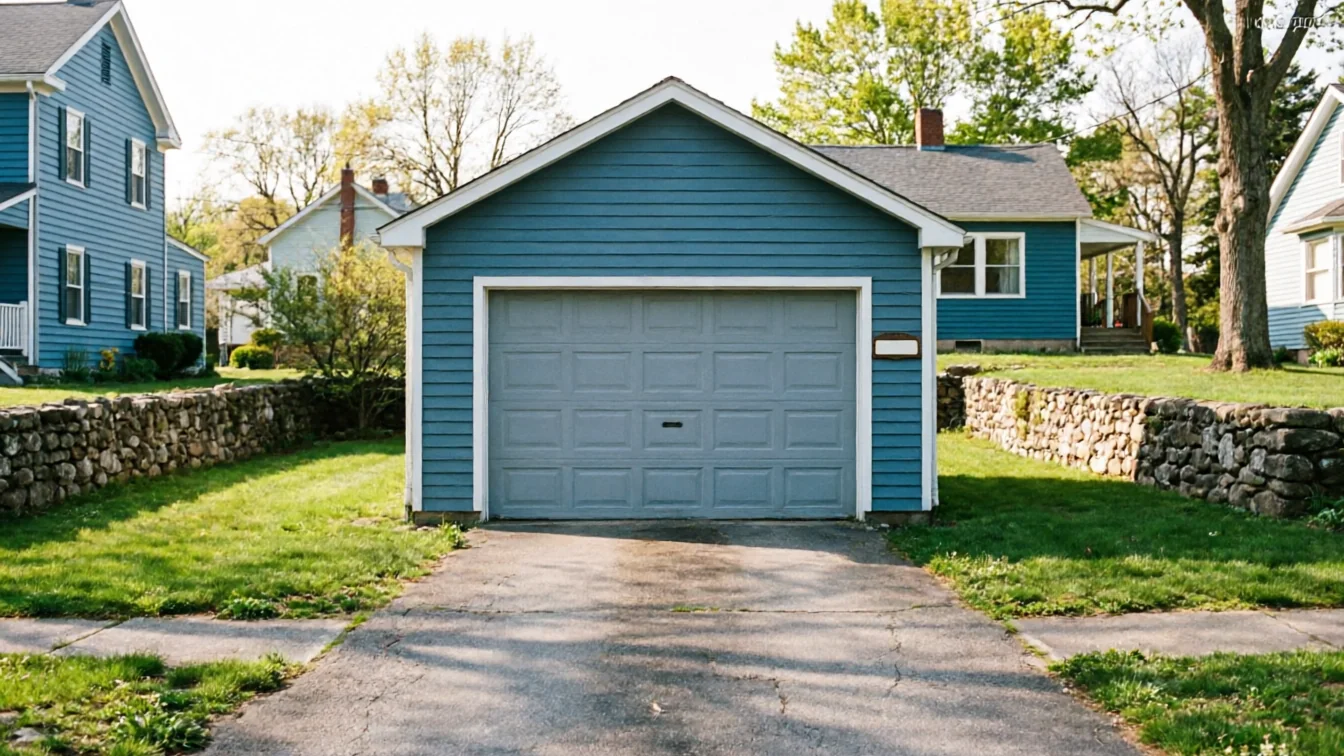
Most of the trouble we see starts with owners treating a detached garage like it's the same animal as an attached one. It isn't. A lot of the housing stock around here went up between 1938 and 1995, with the typical build year sitting around 1973, and that stretch produced plenty of standalone garages set back from the house - often with their own undersized header and no shared wall insulation to buffer temperature swings. People hang a heavier insulated door on that old detached structure because it seems like the upgrade, then wonder why the opener strains or the track pulls away from the jamb within a year or two.
On attached garages from that same era, the mistake runs the other way. The garage shares a wall with living space, so owners assume the door opening is square and plumb because the house is. After 50-plus years of settling, it rarely is. We get calls about a door that binds on one side, and the actual issue is a jamb that's drifted out of square, not a bad roller or a bent track. Measure both sides of the opening before you order a new door - on a house this old, they're often not the same number.
The area
This is a cold-climate area, and that matters differently depending on which garage type you have. A detached garage with no heat source and no shared wall sees the full swing - steel contracts, grease in the rollers stiffens, and a torsion spring that's already near the end of its cycle count is more likely to snap on the first truly cold morning rather than gradually weaken. We see more spring failures on detached units for exactly that reason.
Attached garages hold a little residual warmth from the house, which is kinder to the hardware but creates a different problem: moisture. Warm, moist air from the house meets a cold steel door and panel, and condensation forms on the inside face. On the 1960s and 70s stock that makes up a lot of this area's garages, that moisture has had decades to work on unpainted steel bottom panels and the bottom seal track, and that's where we find rust starting, not at the top.
What we find
When a door on a detached garage won't open, it's usually one of three things: a spring that's past its wind count, a track that's shifted because the structure itself has moved slightly on its own footing over the decades, or an opener that was sized for a lighter door than what's currently hanging on it. Detached structures from this era often don't have reinforced framing for heavier doors, so the opener ends up doing work the door's own balance should be doing.
On attached garages, the door issue is frequently tied to the house. A header that's carried decades of settling can pinch the opening just enough that the door rubs one track on the way down. That's not a garage door problem at its root - it's a structural shift problem that shows up as a garage door symptom. We can true up tracks and adjust spring tension to compensate for minor misalignment, but if the opening itself has moved more than a small amount, that's outside what torsion hardware can correct.
How we work
Call before you touch the spring yourself, full stop - that's not a DIY repair on either garage type, attached or detached, and it's the one thing we won't talk anyone through over the phone. Beyond that, call if a detached garage door has started needing more force to lift by hand than it used to; that's usually the spring losing tension, and it's cheaper to replace before it snaps and takes a cable or your fingers with it.
For attached garages, call if you're noticing daylight or drafts around the top seal in winter - on homes built in this area's typical range, that's often the seal itself failing from age, not the door needing full replacement, and it's a much smaller job. One honest limit: if the opening is badly out of square from structural settling, a new door won't fix that by itself, and we'll tell you so rather than sell you a door that will just bind again in a year.
Questions
In this climate, yes, generally. A detached garage has no shared wall with the house, so it swings through the full cold range outside. That's harder on spring steel and on grease in the rollers, and it's a common reason we see more spring failures on standalone garages than on attached ones built the same decade.
Warm air from the house meets cold steel at night and condenses on the door's inside face. On homes from the 1960s and 70s stock common in this area, that moisture has had decades to sit on unpainted bottom panels and the seal track, which is usually where rust starts before it shows up anywhere else on the door.
On a house with decades of settling, it's often the opening itself that's gone slightly out of square, not the track or rollers. We check both sides of the frame before replacing hardware, because swapping a track on a misaligned opening just means it binds again.
Recommendation
More garage door guides for Lancaster homeowners.
Lancaster homes built between 1938 and 1995 carry aging torsion springs and rollers that bang, grind, or pop in cold winters.
Read more
Lancaster homes mostly date to 1973, and the cold climate here is hard on old torsion springs and tracks.
Read more
Lancaster homes built mostly between 1938 and 1995 need doors sized for older framing and cold winters.
Read moreReady when you are
Lancaster Garage Door Pros repairs and installs garage doors, springs and openers in Lancaster, PA and the surrounding area.