
Lancaster, PA
Garage Door Roller Replacement
Noisy, jumping, or worn garage door rollers are common in Lancaster's older housing stock. See why, what we stock, and how the fix works.
What Causes It Around Here
A lot of Lancaster's housing went up between 1938 and 1995, with the median sitting around 1973, and across the 50 named communities in this service area that 1960s-and-70s stock is the dominant type. Doors from that era were built with steel rollers on open ball bearings - no seal, no nylon, just metal on metal. That hardware was fine for the first couple decades, but on a door that's now 50 to 60 years old, those bearings have long since dried out and the wheels have flat-spotted from thousands of cycles. Lancaster's winters fall in the severe-cold band, and that matters here specifically: grease in an old open-bearing roller thickens and stiffens when temperatures drop, so the door drags hardest on the coldest mornings, right when a stiff roller is most likely to crack or bind. Moisture that gets into an unsealed bearing over a Lancaster winter also rusts the race from the inside, which is why a roller can look fine on the outside and still grind. This isn't a defect unique to any one house - it's what happens to original steel rollers on a track system that's older than most of the people who built it.
Stocked Parts
We carry sealed-bearing nylon rollers in the stem lengths that match the track spacing used on doors from the 1960s-70s building era that's common across this area, plus steel rollers for the handful of cases where nylon isn't the right call - heavier commercial-style doors or tracks that are already narrowed from wear.
Sealed nylon upgrade
Nylon with a sealed bearing is the upgrade most homeowners end up choosing, because it doesn't need the open grease points that fail in cold weather and it runs quieter than steel on steel.
Stem lengths carried
We stock the common stem lengths and roller diameters used across the door styles found in this service area, from short-stem 7-ball units to the longer stems used on wider residential doors.
Oval track needs replacing
One limit worth saying plainly: if the track itself has already worn into an oval shape from years of a flat-spotted roller grinding against it, a roller swap alone won't fix the noise - the track needs straightening or replacing too, and we'll tell you that before we start rather than sell you a part that won't solve it.
How We Fix It
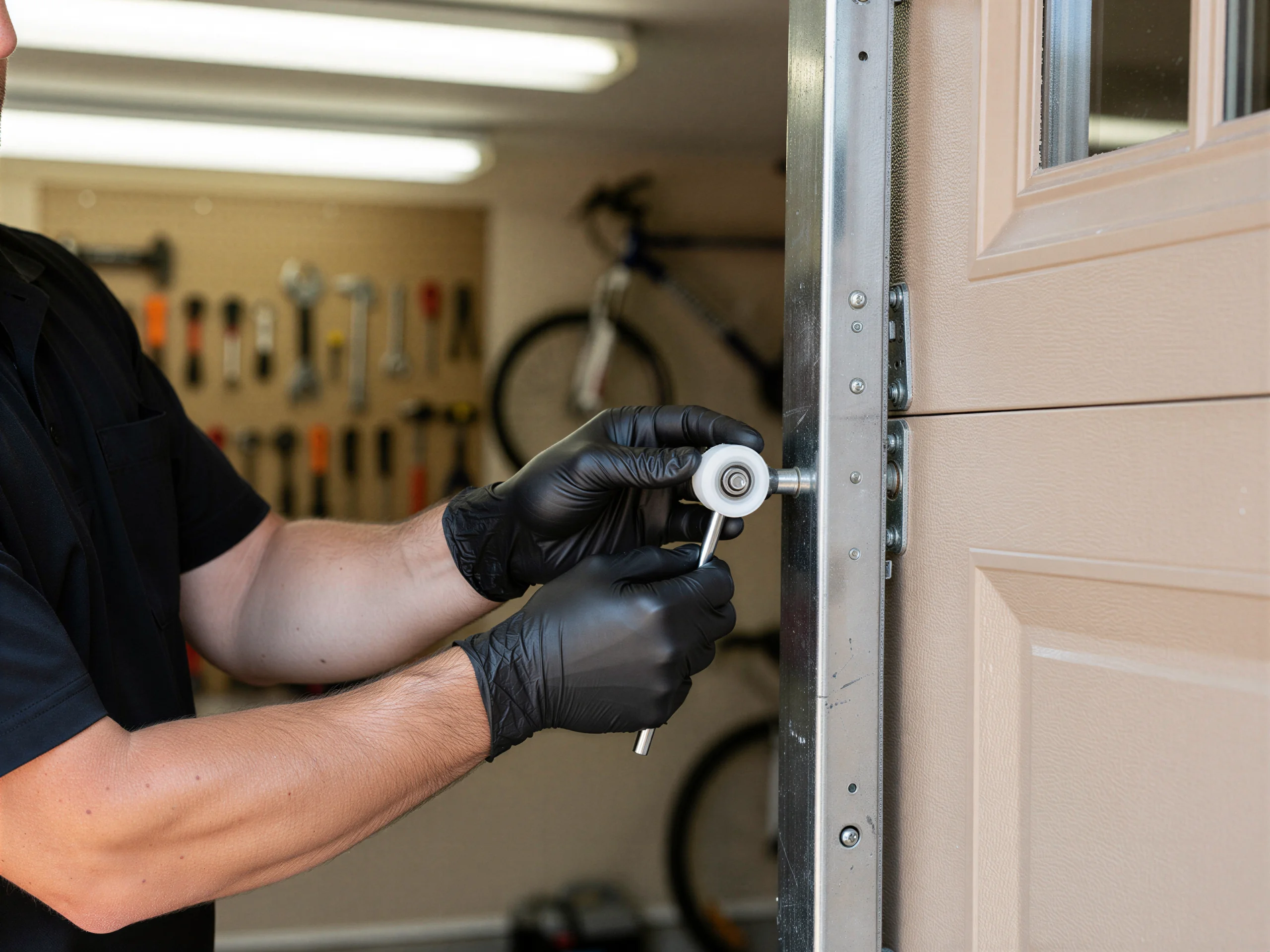
We start by running the door by hand with the opener disconnected, watching where it binds and listening for which side is grinding. That tells us whether it's one roller, a matched set, or a track problem riding along with it.
Single roller at a time
Rollers come out one at a time with the door secured, so the door never comes off its track mid-job and the cables stay under control. We check the stems for rust pitting, check the track alignment on both sides, and replace hinges or brackets if the roller holes have worn oblong - a worn roller often takes the bracket down with it.
Settle bearings then recheck
Once the new rollers are seated, we run the door through a full open-close cycle a few times to settle the bearings and check for drag, then recheck the track gap.
Honest track limit statement
If the track is bent or grooved beyond what a roller swap can ride smoothly in, we'll say so rather than send you off with a door that still grinds. That's the one job we won't pretend to finish with just a parts swap.
The Symptom
If your door grinds, shudders, or jumps the track every time it opens, the rollers are usually the reason. You'll hear it before you see it: a rough scraping sound as the door climbs, a jerky motion where it used to glide, or a roller that's worn down to a flat spot and knocking loose in the track.
Cracked roller drops door
Sometimes a roller cracks outright and the door drops crooked on one side. None of this is an opener problem, even though people often blame the opener first.
Roller wear signs
The rollers are the small wheels riding inside the steel track on either side of the door, and they take the full weight and friction of every open-close cycle. Worn stems, dried-out bearings, and flat-spotted wheels all show up the same way - noise and hesitation - before they get bad enough to bind the door entirely.
Catch rollers at noisy stage
Left alone, a bad roller wears a groove into the track itself, which turns a cheap part swap into a track repair. Catching it at the noisy stage instead of the stuck stage is the difference between a quick fix and a bigger bill.
Questions
Common questions
Why do my garage door rollers get worse in the winter?
Open-bearing steel rollers, common on older Lancaster-area doors, rely on grease that thickens as temperatures drop. In a severe-cold winter that grease stiffens enough to make the door drag hardest on the coldest mornings, and a stiff, dry bearing is more likely to crack or flat-spot under load.
Should I replace all the rollers or just the noisy one?
If your door is original to a house built in the 1960s or 70s, the rest of the rollers are the same age as the one that's failing, even if they haven't started grinding yet. Most homeowners replace the full set at once rather than coming back for each one as it wears out.
Can a bad roller damage the track?
Yes. A flat-spotted or cracked roller grinds against the inside of the steel track every cycle, and over time that wears a groove into it. Once the track itself is worn, a roller swap alone won't stop the noise - the track needs attention too.
Explore more
Explore More Services In Lancaster, PA
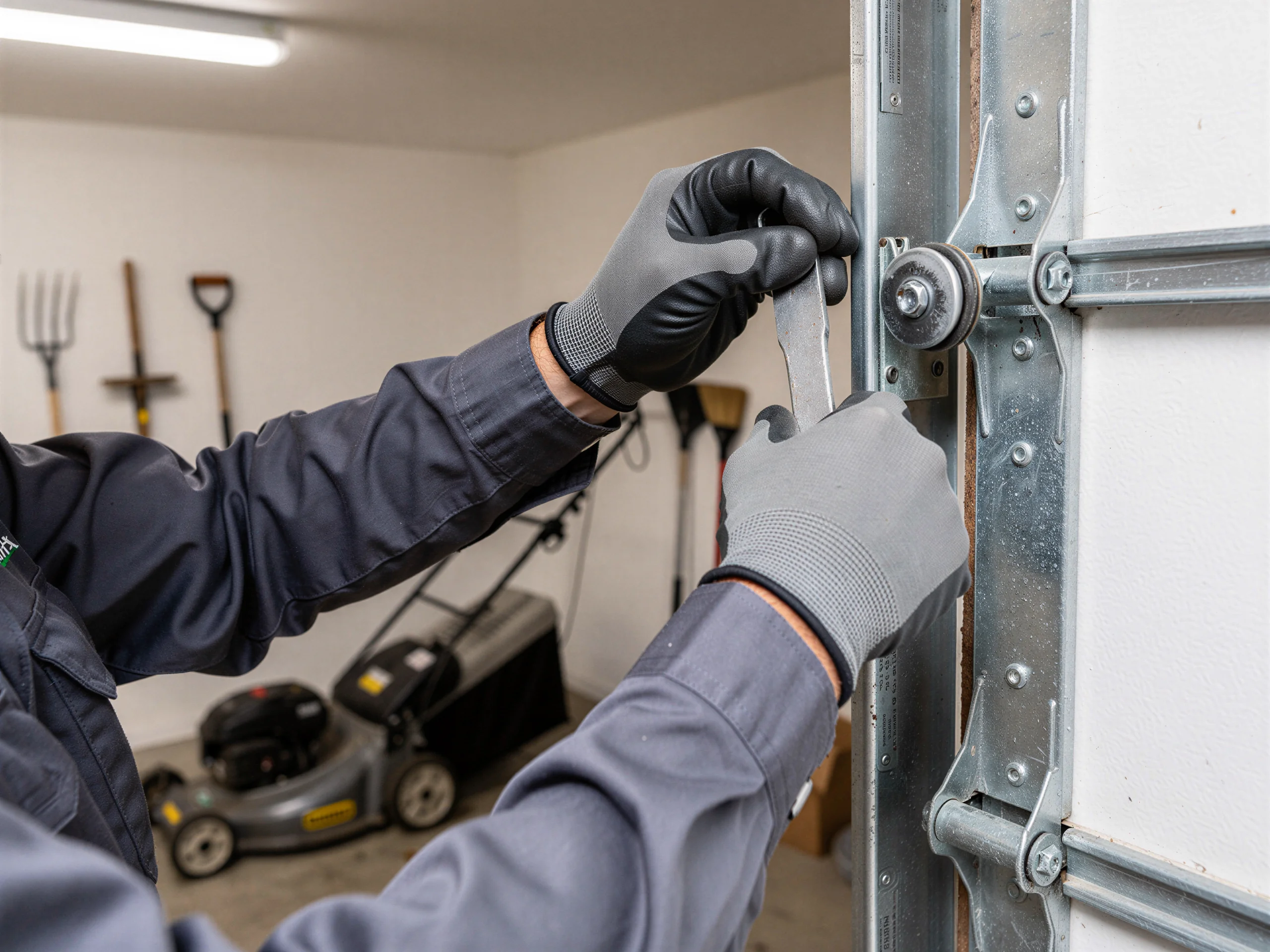
Garage Door Off Track? Here's Why It Happens in Lancaster
Lancaster homes built 1938-1995 often have original track and rollers. Learn more →
Broken Garage Door? Emergency Repair for Lancaster-Area Homes
Snapped spring or dead opener on a cold Lancaster morning? Learn more →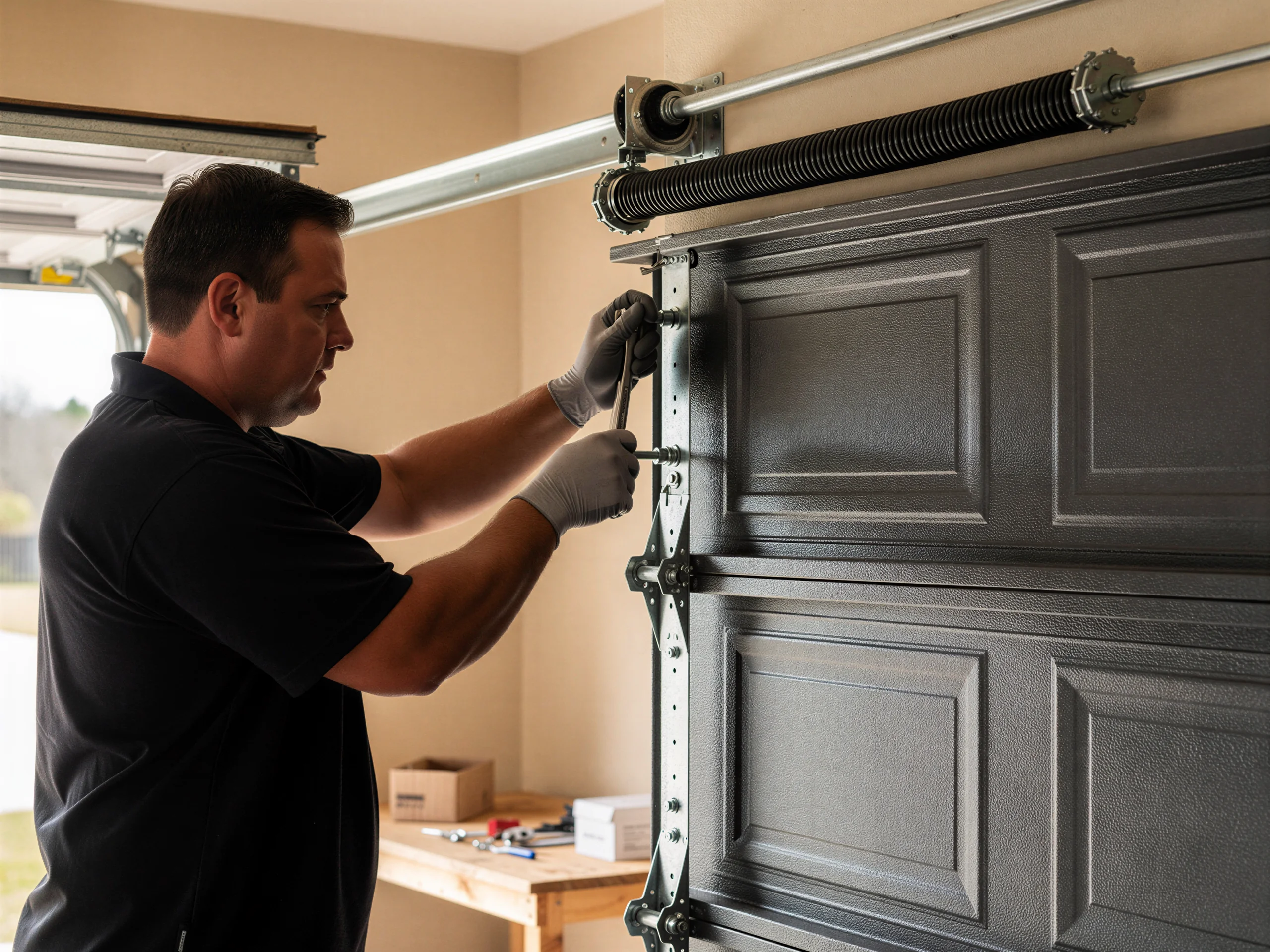
Garage Door Service for Lancaster's Older Tracks and Hardware
Garage door sticking or off-track in Lancaster's cold winters? Learn more →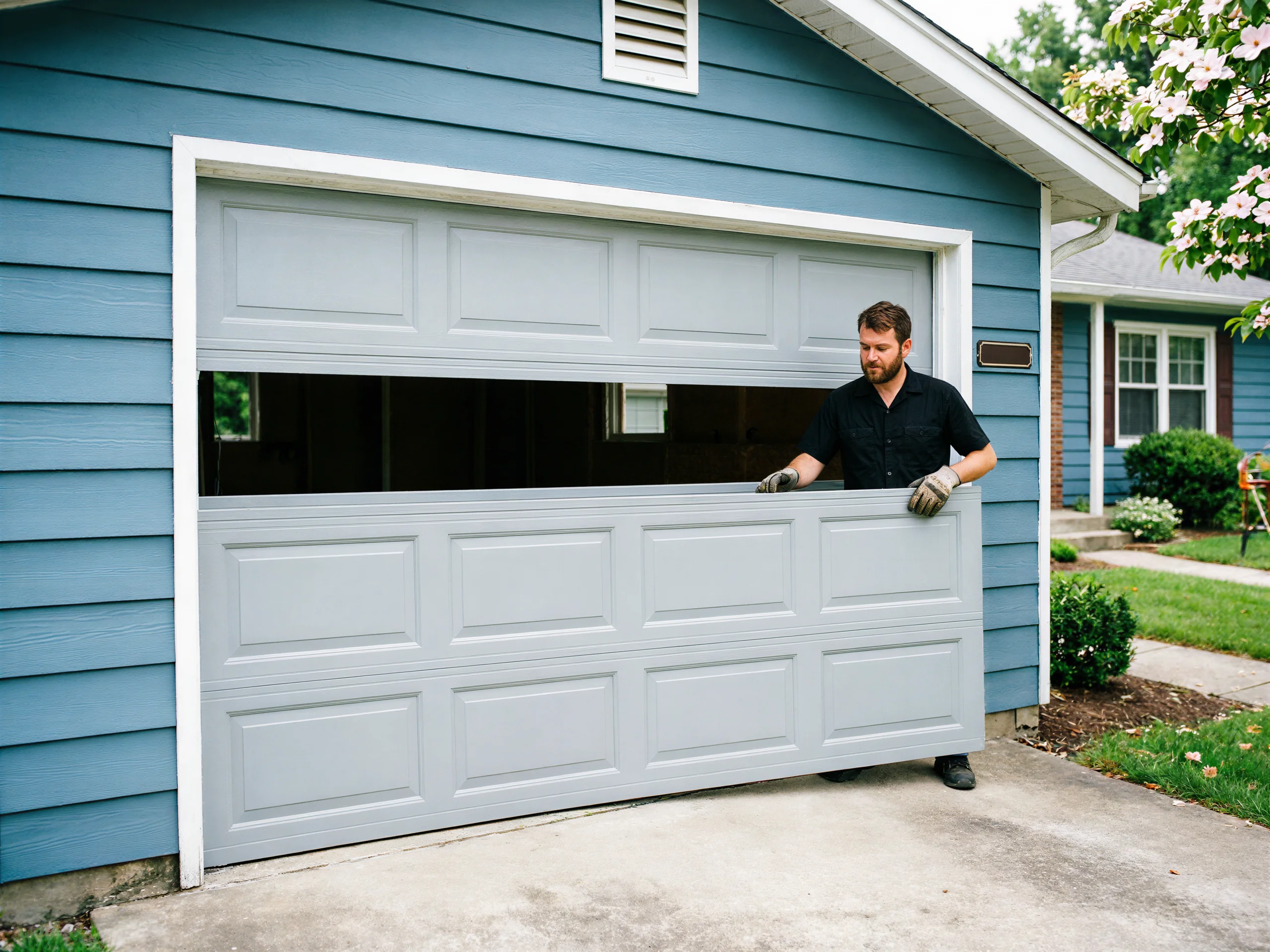
Garage Door Installation for Lancaster Homes
New garage door installation in Lancaster, PA, built for homes from the 1938-1995 era and sized for real Pennsylvania winters, not builder-grade stock doors. Learn more →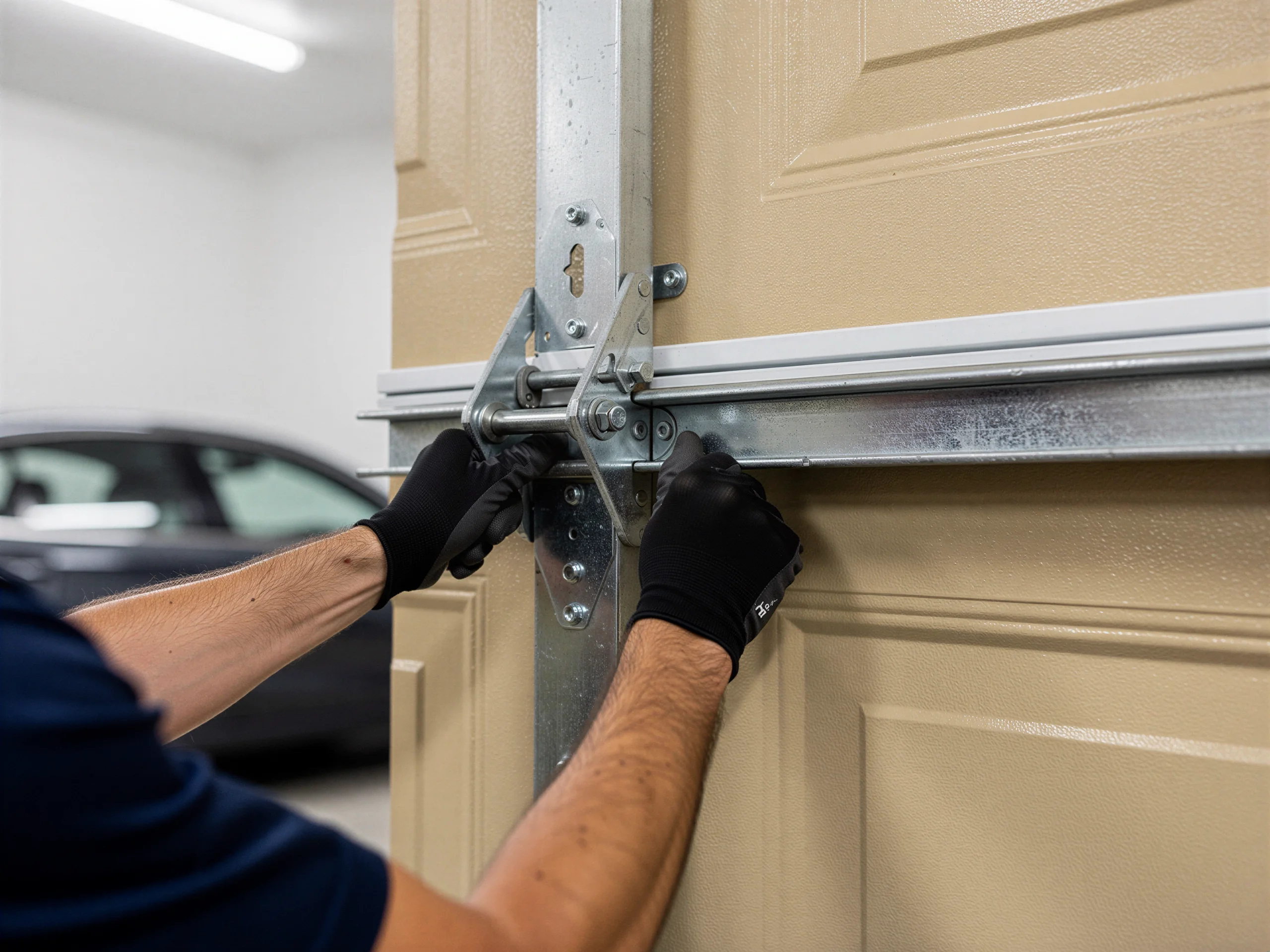
Garage Door Repair for Lancaster's Older Housing Stock
Garage door repair for Lancaster PA homes built 1938-1995, where original torsion hardware meets severe cold winters. Learn more →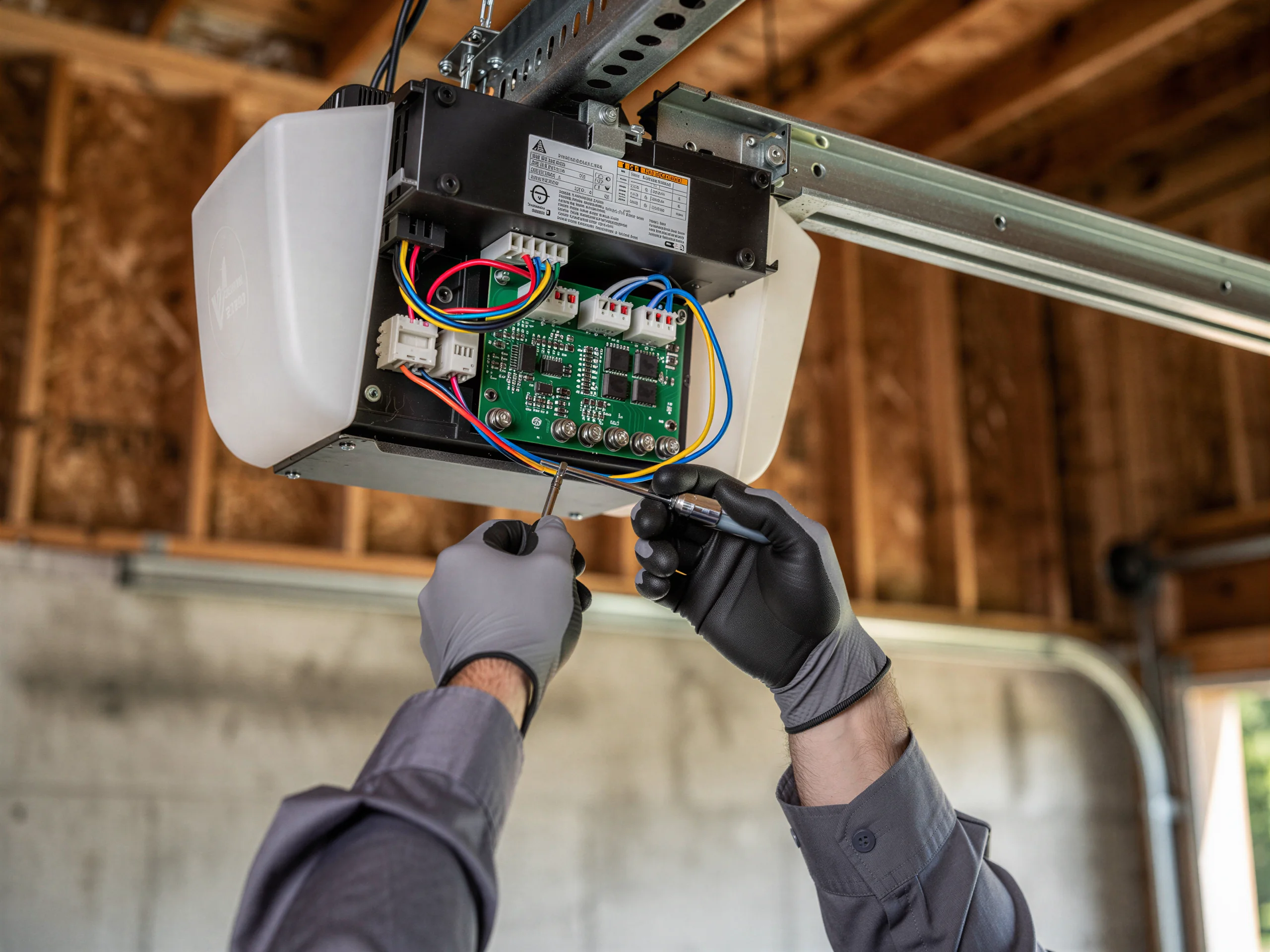
When Your Garage Door Opener Quits in Lancaster
Opener won't open, reverses, or runs silent? Learn more →Ready when you are
Noisy or worn garage door rollers in Lancaster?
Lancaster Garage Door Pros repairs and installs garage doors, springs and openers in Lancaster, PA and the surrounding area.