
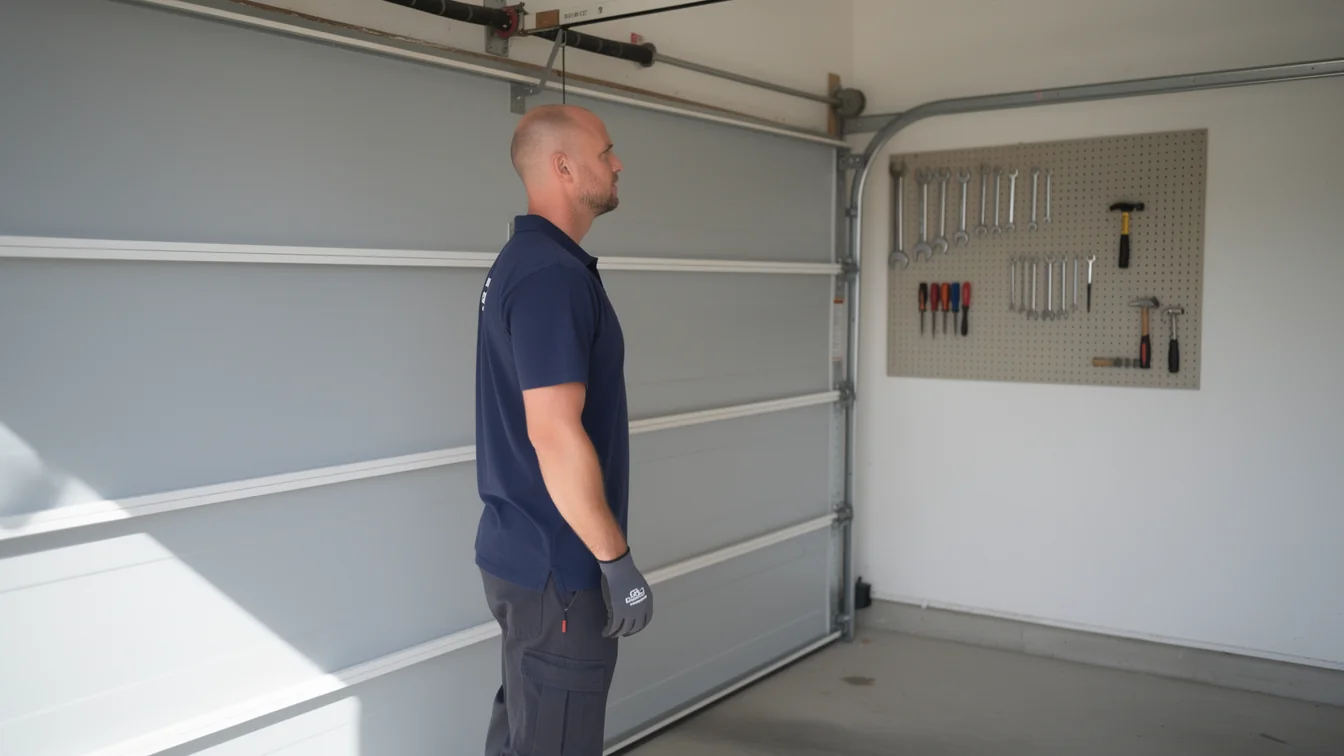
What Those Sounds in Your Lancaster Garage Are Telling You
Lancaster homes built between 1938 and 1995 carry aging torsion springs and rollers that bang, grind, or pop in cold winters.
Read moreLancaster homes built mostly between 1938 and 1995 need doors sized for older framing and cold winters. Here's what to check before you buy a replacement.
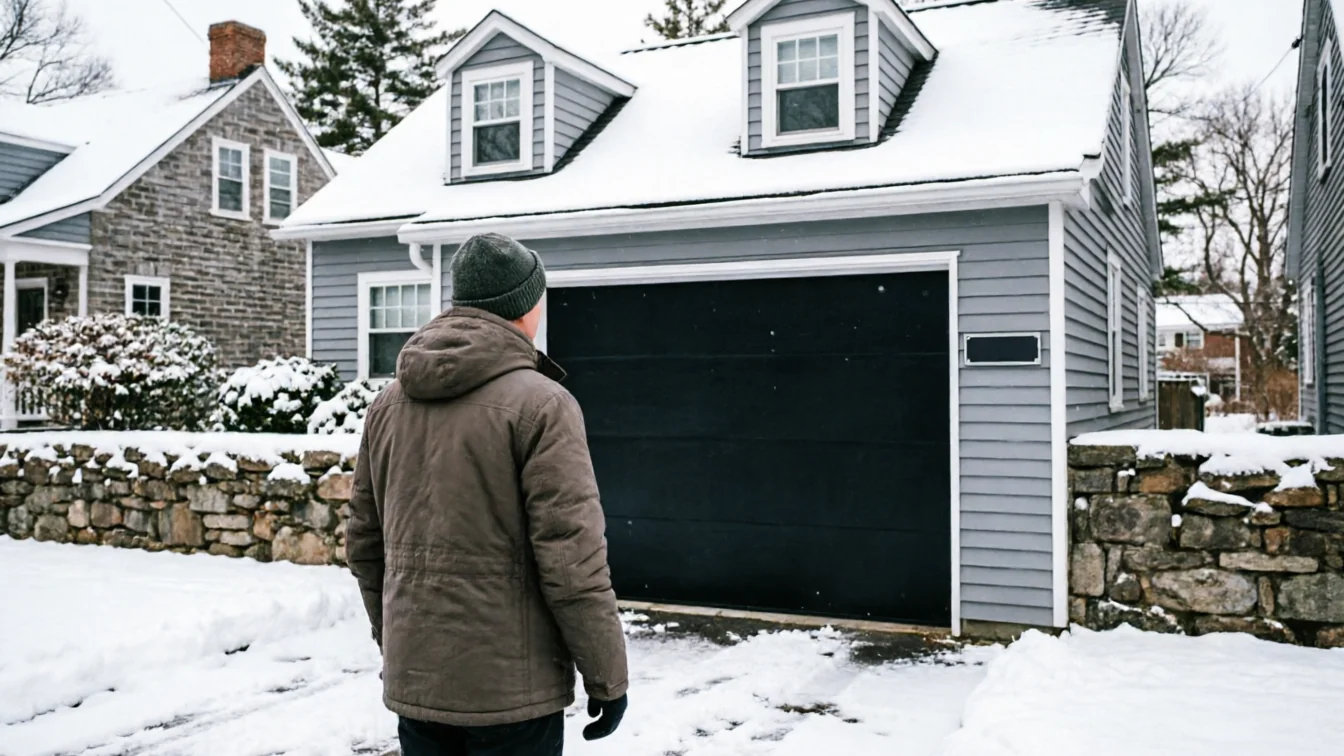
Local detail
The mistake we see most often is someone measuring the opening, finding it close to a standard 9-by-7 or 16-by-7, and ordering a stock door online without checking the track mounts or the jamb condition first. Most of the homes in this area went up between 1938 and 1995, with the median landing around 1973, so the framing behind that opening was built to whatever code and stud spacing was common at the time - not to what a 2024 pre-hung steel door assumes. Across the 50 or so named areas that make up this service territory, the stock skews heavily toward 1960s and 70s construction, which means a lot of garages have hardware mounted for a lighter, single-layer door than what gets sold today. A new door that's technically the right width can still fight the opening if the header, the side room, or the backtrack clearance doesn't match what the install sheet expects. We also see people replace the door but keep 50-year-old track and rollers because the quote only covered the panel. That mismatch is where most comebacks start.
The area
This region sits in a cold-severe climate band, and that matters more for a garage door than most people expect. An uninsulated or single-layer steel door doesn't just let cold in - it lets the cold radiate off the inside face of the panel, which drops the temperature of anything stored against that wall and makes an attached garage feel ten degrees colder than it should. Older doors built during that 1938-1995 wave were rarely insulated to begin with, since double-layer and polyurethane-core doors weren't standard in that stretch of housing. Cold also stiffens the nylon rollers and grease in the track hardware, so a door that worked fine in October starts binding or dropping hard once temperatures stay down. If you're replacing a door here, a thermal break and a foam core aren't upgrades for comfort alone - they're the difference between a door that operates the same in January as it does in July and one that doesn't.
What we find
Most of the replacement calls we get aren't about a door that broke suddenly - they're about a door that's been getting harder to live with for years. Wood jambs from the 1938-1995 building era rot at the bottom corners, steel panels from that same period were usually single-skin with no insulation, and the torsion springs installed then were sized for the lighter doors of their day, not for a heavier insulated replacement. With about 40,693 owner-occupied houses among the roughly 103,156 households in this area, a large share of the doors reaching the end of their service life right now came out of that same construction wave, which is why we see the same failure patterns repeat across very different streets. At a median household income of $85,302, most owners here can reasonably plan for a mid-range insulated steel door instead of patching the bare panel that came with the house - the math usually works out better over a cold winter than another round of spring and roller repairs.
How we work
Call before you order anything if the opening doesn't match a listed standard size, if the jamb shows soft wood or visible rot, or if the existing track is bent - a new door hung on bad track will fail the same way the old one did. We don't do the framing carpentry ourselves if a jamb needs to be rebuilt; that part goes to a carpenter first, and we come back for the door and hardware once the opening is sound. If your current door is from that 1938-1995 construction period and the springs are original, don't wait for a full break - a spring that lets go while someone's standing under the door is a real injury risk, not just an inconvenience. If the door still runs smooth and the panels are intact, a repair is almost always the better call than a full replacement; we'd rather tell you that than sell you a door you don't need yet.
Questions
In houses built before the 1990s, not always. Framing in this area often predates the stock sizes most retail doors are built to, so a tape measure check on width, height, and side room is worth doing before you order, or better, have someone measure it who installs doors in this kind of housing regularly.
Often yes. If the panels aren't rusted through and the track is straight, a spring or roller repair is cheaper and faster than a full replacement. We'd rather fix what's there than sell a door that isn't needed yet - replacement makes sense once the panel itself is failing, not before.
Yes. This area sits in a cold-severe climate band, and an uninsulated steel door radiates cold into the garage all winter. A foam-core door with a thermal break keeps the space noticeably warmer and reduces how hard the hardware has to work in low temperatures.
Not accurately. Pricing depends on the actual opening size, the condition of the existing track and jamb, and the door you choose, and we don't want to quote a number before we've seen the install. Once we measure, you get a firm price, not a guess.
Recommendation
More garage door guides for Lancaster homeowners.
Lancaster homes built between 1938 and 1995 carry aging torsion springs and rollers that bang, grind, or pop in cold winters.
Read more
Lancaster homes mostly date to 1973, and the cold climate here is hard on old torsion springs and tracks.
Read more
Lancaster homes built between 1938 and 1995 have detached or attached garages with different weak points.
Read moreReady when you are
Lancaster Garage Door Pros repairs and installs garage doors, springs and openers in Lancaster, PA and the surrounding area.