
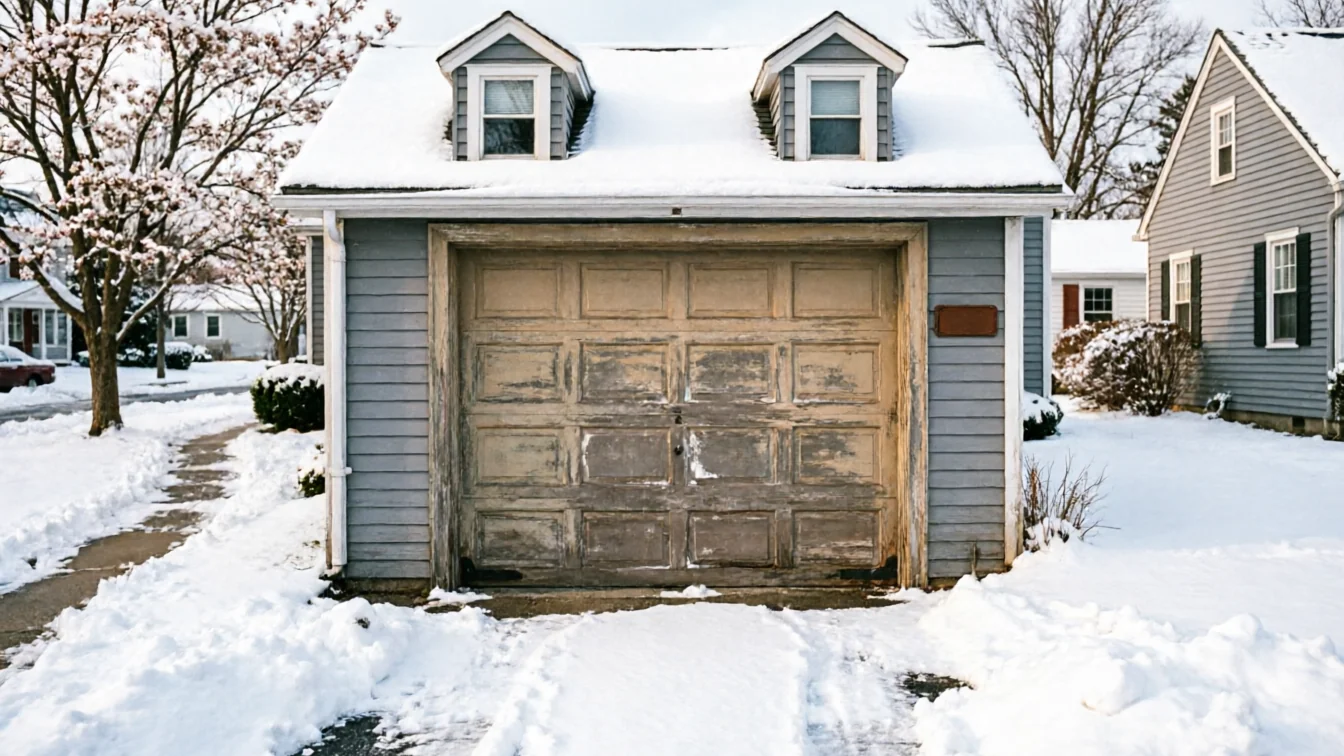
Is Your Garage Door Worth Fixing, or Time to Replace It?
Most Lancaster-area houses date to the 1960s and 70s, with doors and hardware from that era.
Read moreMost Lancaster-area houses date to 1938-1995, many from the 1960s-70s boom, with original hardware never built for today's cold-climate temperature swings and heavier doors.
Local detail
Across the fifty named communities around here - Manheim, Millersville, Lampeter, Willow Street, East Petersburg, Smoketown - the typical house went up somewhere between 1938 and 1995, with the median landing around 1973. That matters more than most owners think. A lot of people treat the garage door like the rest of the house: if it opens and closes, it's fine. But a torsion spring wound for a door built in 1973 was sized for the door and the climate of 1973, not for forty-plus years of expansion and contraction. The common mistake is spraying WD-40 on a spring and calling it maintenance, when what's actually failing is galvanized wire that's fatigued from decades of winter cycling. Another one: owners assume a sagging panel is cosmetic, when on a door this old it usually means the track alignment has shifted enough that the rollers are riding wrong, which is how a cable jumps a drum. None of this is dramatic. It's just old hardware doing what old hardware does, and it gets ignored until the door won't move at all.
The area
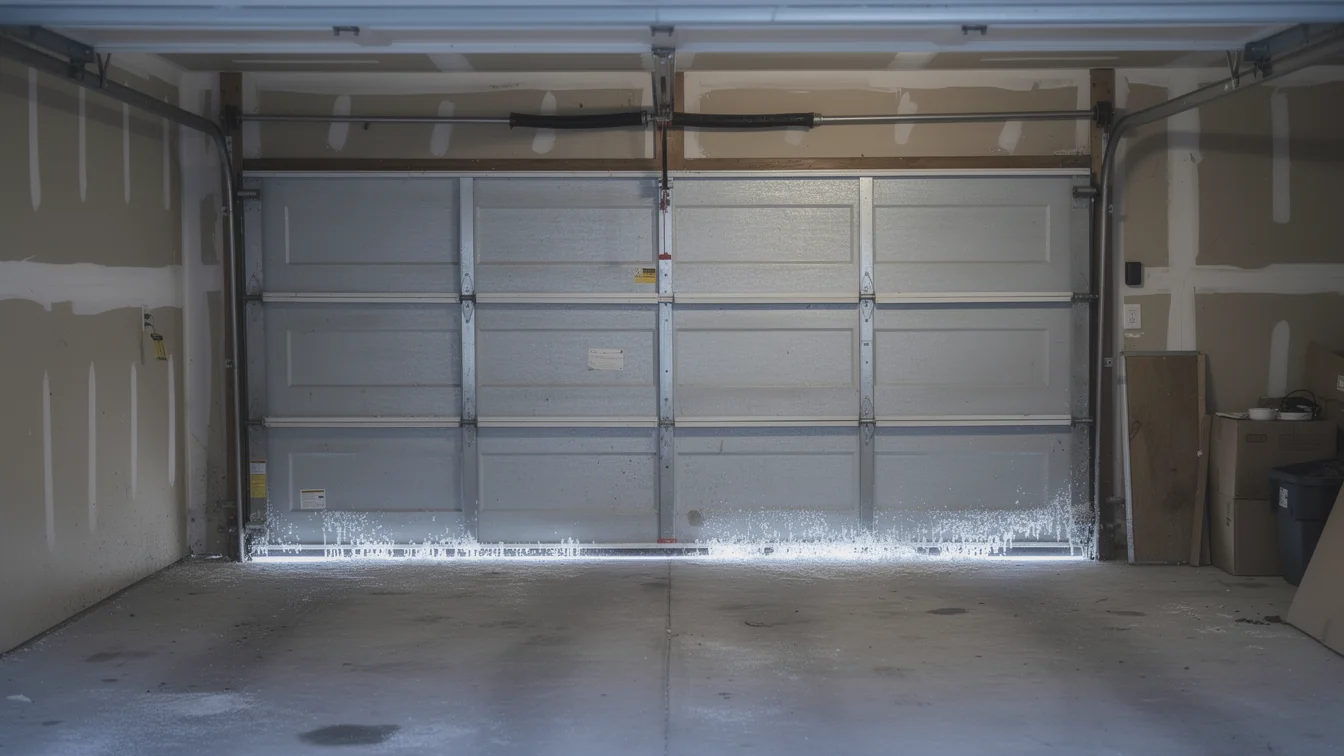
This area sits in a severe cold climate band, and that's the piece most maintenance advice online just doesn't account for. Steel contracts in deep cold and expands again when temperatures swing back up, and a door built decades ago wasn't engineered with the thermal breaks you'd find in a current model. Lubricant that's fine in August turns thick and sluggish in January, which puts extra load on an opener that's already working harder than it should. Torsion springs lose a measurable amount of their cycle life to repeated freeze-thaw stress - it's not a one-time event, it's cumulative, year over year, on a spring that's already older than most of the people using the door. On houses from the 1938-1995 stock common through this region, that stress lands on hardware that was never rated for the number of cold cycles it's now seen. The result isn't usually a dramatic failure in July. It's a spring that lets go on a fifteen-degree morning in February, right when you need the door most.
What we find
The honest answer is that a big share of the garage doors in this area are older than the people calling about them realize. With median construction around 1973 and most of the surrounding stock from the 1960s and '70s - the same pattern holding across Manheim, Lampeter, Willow Street, Landisville, and the rest - you've got steel sectional doors, chain-drive openers sized for lighter loads, and hardware installed before current cold-climate expectations existed. These doors weren't built wrong. They were built for a different set of demands. Over fifty-plus years, the galvanizing wears thin, the bottom panel absorbs moisture from decades of seasonal runoff, and the torsion hardware is carrying more fatigue than a visual check will show you. It's not that something is broken right now. It's that the hardware is closer to the end of its rated cycle life than most owners assume, especially on houses that have never had the springs or cables touched since they were installed.
How we work
Call when a spring has visibly separated, when the door won't stay up on its own, or when you hear a loud bang followed by the door refusing to move - that's almost always a broken torsion spring, and it's not a DIY repair given the tension involved. Also call if a cable has frayed or come off the drum; running the door in that state risks the panel. One honest limit: on some of the older doors common to this area's 1938-1995 housing stock, matching panels are no longer made, so a single damaged section sometimes means replacing the whole door rather than patching it, and that's a conversation worth having before paying for a repair that won't hold up. If the opener is original to a 1960s or '70s install, replacing it is usually more sensible than repairing it piece by piece.
Questions
Cold steel and thickened lubricant both add resistance, and on an older torsion spring that's already fatigued from years of freeze-thaw cycling, that extra resistance is often what finally causes a break. It's more noticeable on doors from the area's common 1960s-70s housing stock, where the hardware has had decades of cold cycles to wear down.
It depends on the hardware's condition, not just its age. A door from that era can still run fine, but the torsion spring has a rated cycle life, and in this severe cold climate that life gets used up faster. If it's never been serviced, have the spring and cables checked rather than waiting for a failure.
Sometimes, but not always - on houses in the 1938-1995 range common here, some original panel styles are no longer manufactured. If a single section is damaged, we'll tell you honestly whether a match exists or whether full replacement makes more sense.
Generally yes. Openers sized and installed decades ago were built for lighter doors and milder duty cycles than what this area's cold swings put them through now. A current opener handles the load with less strain, which matters on a door this old.
Recommendation
More garage door guides for Lancaster homeowners.
Most Lancaster-area houses date to the 1960s and 70s, with doors and hardware from that era.
Read more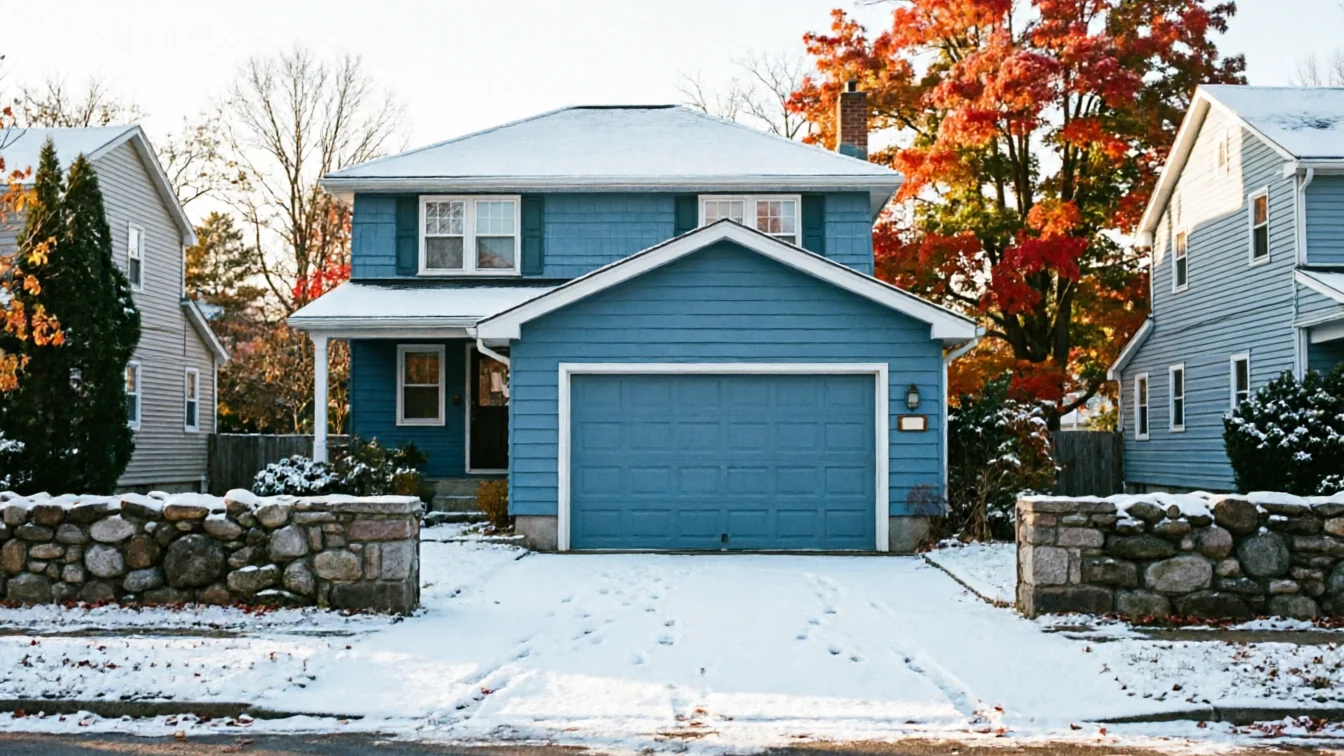
Lancaster homes mostly date to 1973, and the cold climate here is hard on old torsion springs and tracks.
Read more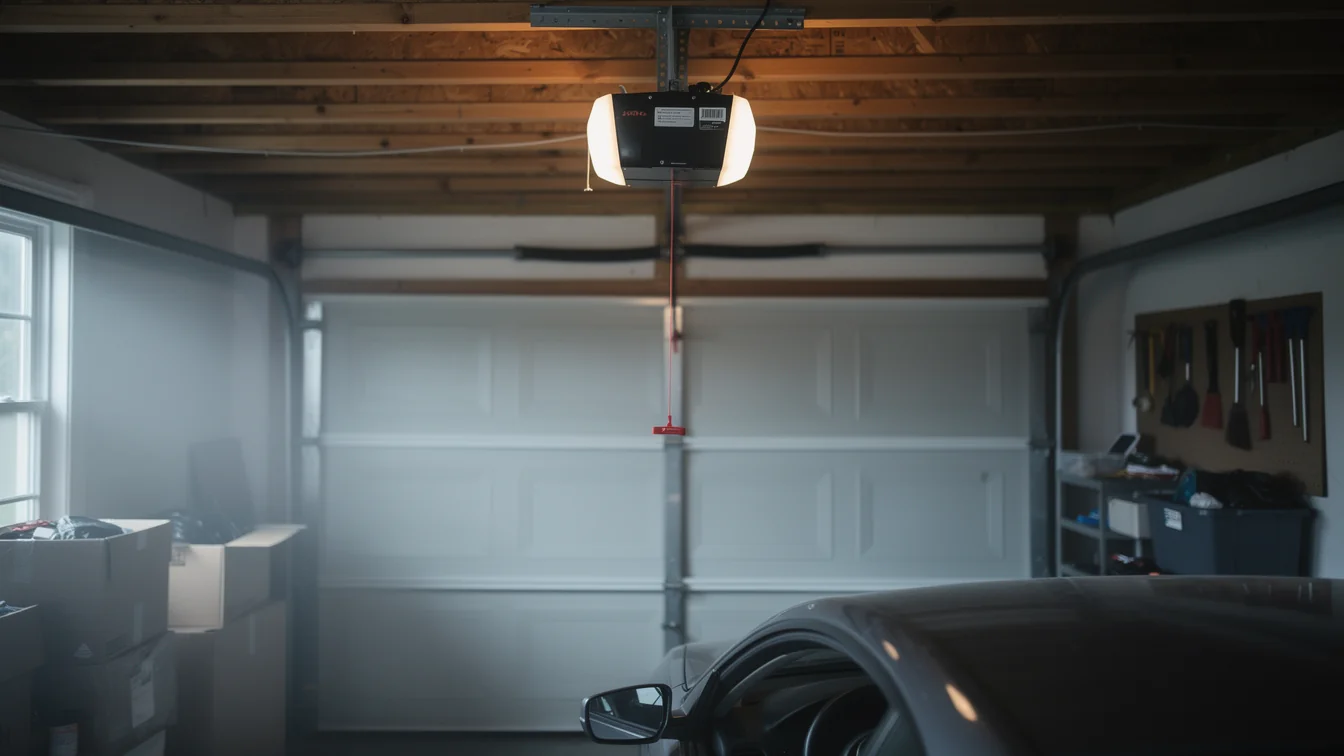
Most Lancaster garage doors run openers built for houses wired in the 1960s and 70s - here's what cold-season power cuts do to them and when to call a tech.
Read moreReady when you are
Lancaster Garage Door Pros repairs and installs garage doors, springs and openers in Lancaster, PA and the surrounding area.