
Lititz, Lancaster
New Garage Door Installation for Lititz Homes
Lititz homes built around 1962 often carry doors and track sized for hardware that's since been discontinued. We install correctly-sized replacements, traveling the 8 miles from Lancaster.
How to Book
We cover Lititz from our Lancaster base, about 8 miles out, so we schedule the visit rather than drop by unannounced. Call or request a quote through our site, tell us the rough age of the house if you know it and whether this is a straight swap or a widened opening, and we'll set a time to come measure.
Measuring in person matters more here than in newer developments - a 1962-era opening can vary from its neighbor's by an inch or two depending on who built it, and we're not going to quote a door size off a phone description alone. After the measure, you get a firm price before any work starts.
How We Fix It
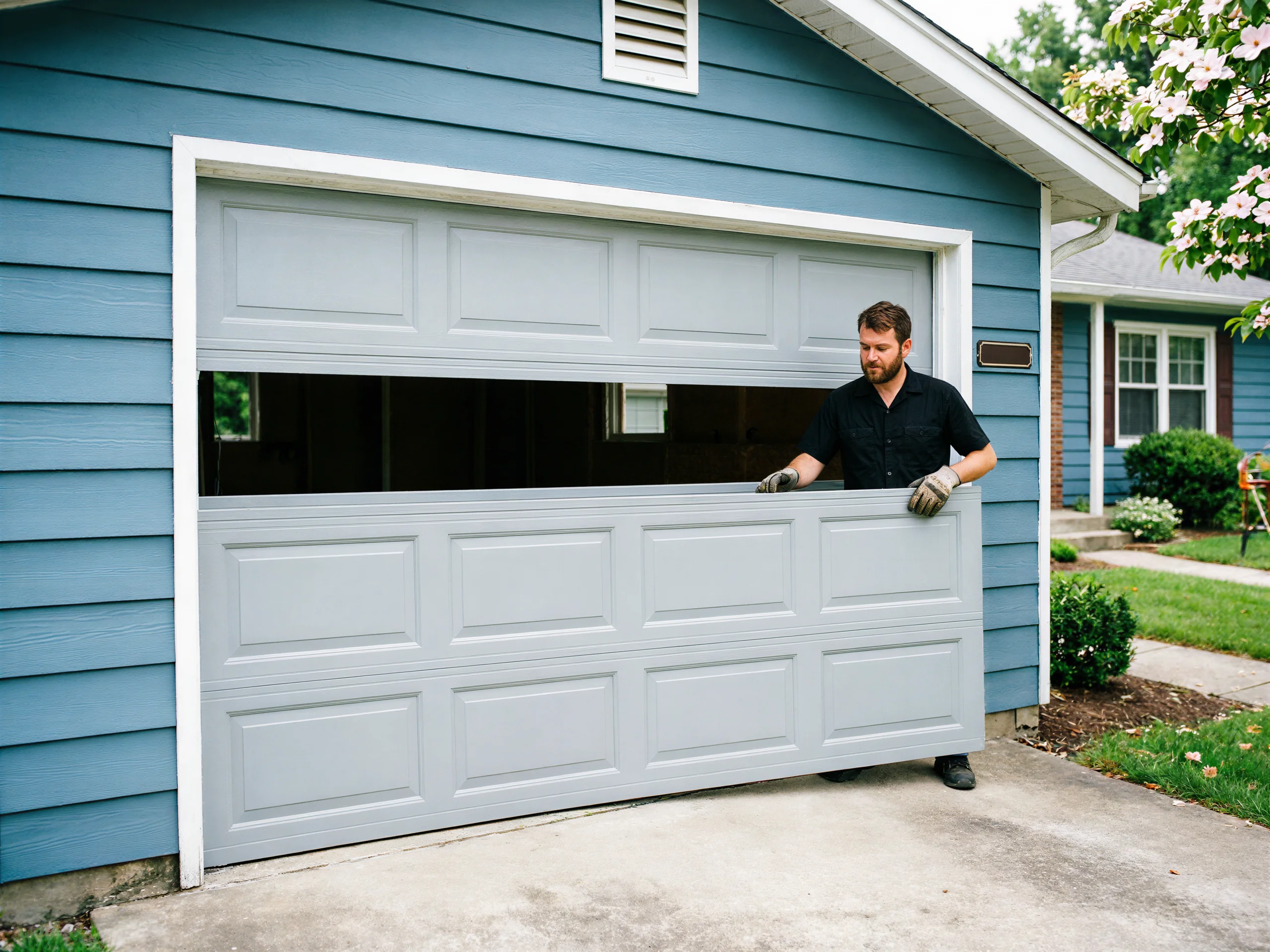
We start with the opening, not the door. On a 1960s Lititz build, we check the jamb for square and the header for rot or settling before we talk about panel style or insulation level.
Framing repairs change quote
If the framing needs shimming or a header repair to take a new door correctly, we say so up front - that's carpentry, and it changes the quote. Once the opening is confirmed, we size the door and track to current manufacturer specs rather than matching the old hardware, because matching old hardware is usually how the next owner inherits the same discontinued-parts problem.
Weatherstrip fit matters
Given the cold, severe winter conditions this area sees, we pay particular attention to the bottom seal and weatherstripping fit - a door that's a half-inch off square will let wind-driven snow in at the corners, and that's the complaint we hear most from owners with older, settled framing.
Rebalance springs on install
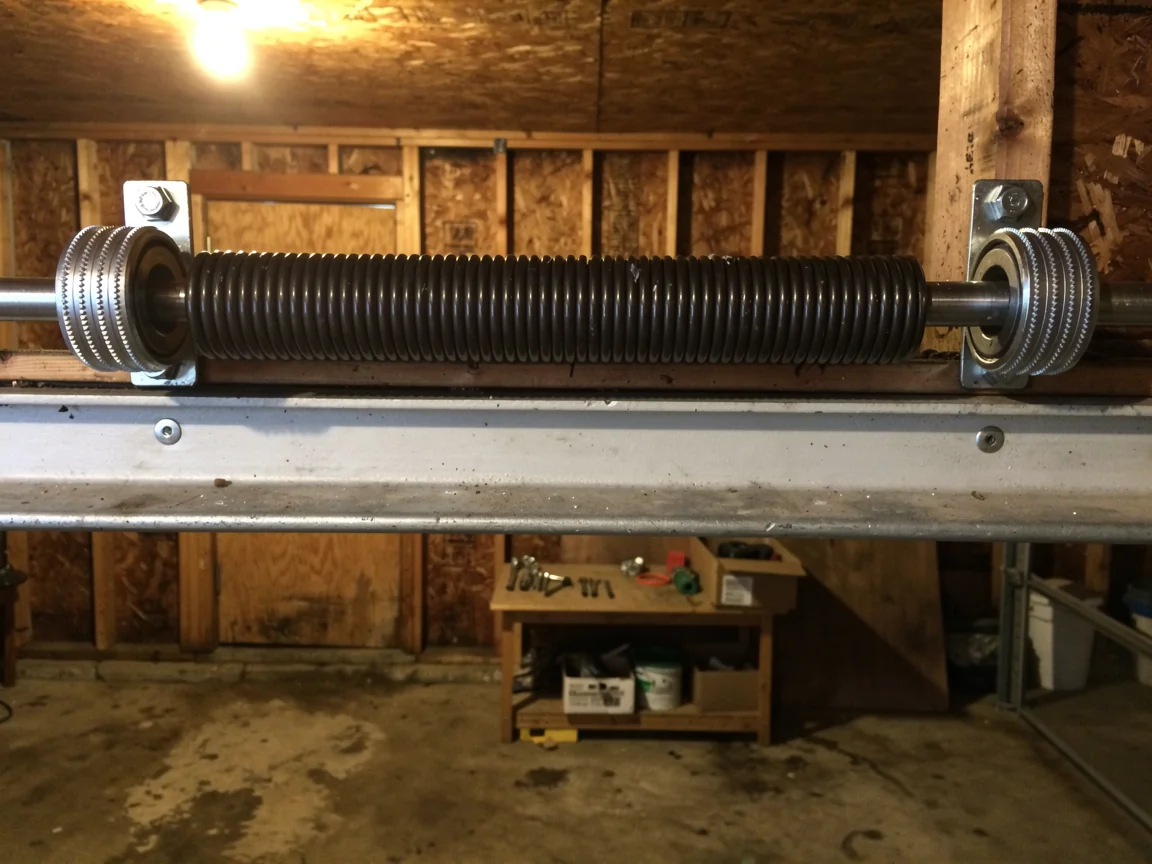
Install includes setting new track, balancing the springs for the new door weight, and testing the opener's force settings against the heavier or lighter panel, since swapping door weight without rebalancing is a common cause of early opener burnout.
The DIY Question
A torsion spring under tension will put someone in the hospital, and that's true whether the door is five years old or sixty. We're not going to tell you installing a new garage door yourself is impossible - plenty of kits exist - but on a house with 1960s framing, the part that goes wrong isn't the door panel, it's getting the new track plumb against an opening that's settled unevenly over sixty years.
Jamb squareness causes binding
If your jamb is out of square by more than a small margin, a door that looks fine on install day will start binding within a season, especially once a cold winter puts stress on the hardware.
Callback costs more later
That's a callback job, and it's more expensive to fix after the fact than to get right the first time. Where DIY genuinely works: swapping a broken panel on a door that's otherwise sound, replacing rollers, or doing basic seasonal lubrication.
Line for homeowner DIY
Where it doesn't: pulling an old door and setting a full new installation on an opening that was never perfectly square to begin with. That's the line we'd draw for a homeowner asking us straight.
Stocked Parts
The fault we see most in Lititz isn't a broken spring - it's a door opening that doesn't match anything on a current parts shelf.
Framing for discontinued sizes
A house built around 1962, which is about the median age of construction in this town, was framed for a door size and track radius that manufacturers stopped making standardized hardware for decades ago. When that door finally fails for good, you're not patching it - you're replacing the whole unit, track and all, because the old jamb width won't accept a modern pre-hung section without some carpentry first.
Opener and track misaligned
That's the real argument for new installation here rather than another repair. A door from that era has usually had at least one replacement opener bolted onto original track, and the two don't always share a centerline. We measure the rough opening before we quote anything, because guessing the width on a 1960s structure is how you end up with a door that binds on one side after the first cold snap.
Seal failures in cold
With a service area climate rated cold and severe, a door that doesn't seat square in its track will let that show up fast - frost on the inside of the panel, ice forming at the bottom seal, a track that groans before it moves.
Oddball widths not stocked
We carry standard residential door sizes and common opener models on the truck for the Lititz run, but we don't stock oddball widths cold. If your opening turns out to be a nonstandard size from a custom build, that part gets ordered, and we'll tell you the lead time before you commit to the job, not after.
What You Pay
We don't have a flat rate to publish, because the two biggest cost drivers - whether your opening needs carpentry work and whether your opener needs replacing alongside the door - vary house to house, and on older Lititz builds they vary more than on newer ones. What we can tell you is that households in this part of the service area report a median income around $82,861, and the installs we see most often here are mid-range insulated steel doors rather than top-tier custom panels.
The honest limitation: if your framing needs significant repair before a new door will seat right, that cost shows up separately from the door price, and we won't fold it into a lowball number just to win the job. You'll see both figures broken out on the quote.
Questions
Common questions
Why does my Lititz house need a different size door than a new build nearby would?
Homes in this area were mostly built around 1962, before current standard door and opening sizes were widely adopted. Openings were often framed to whatever the builder had on hand, so a modern pre-hung door can need shimming or minor carpentry to fit the existing jamb correctly.
Do you keep a crew based in Lititz?
No. We're based in Lancaster and travel the roughly 8 miles out to Lititz for installs and quotes. We schedule visits rather than offer walk-in service, so call ahead to set a time.
Will my 1960s opener work with a new door?
Sometimes, but it depends on the door's weight and the opener's force settings. If the new door is heavier or lighter than the old one, the opener usually needs rebalancing at minimum, and in some cases replacement, which we'll flag during the measure.
How do you handle the cold winters here?
We pay close attention to bottom seal and weatherstripping fit during install, since this area's winter climate is rated cold and severe. A door that's even slightly out of square lets wind-driven snow in at the corners, which is the most common cold-weather complaint we hear on older homes.
Explore more
More Services in Lititz
Cable Repair
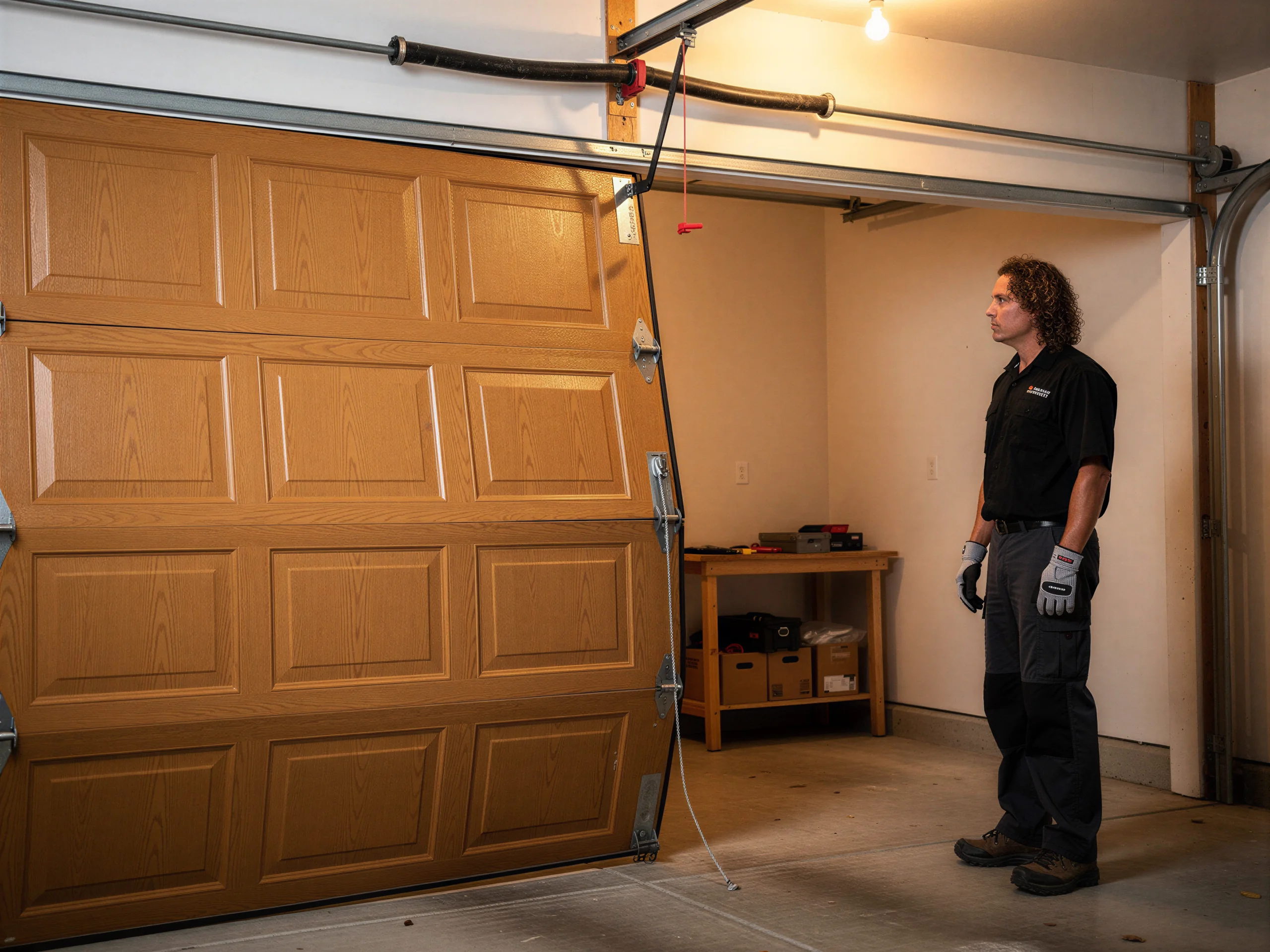
Most Lititz homes went up around 1962, which means original galvanized cable and drums that have never been swapped. Learn more →
Emergency Garage Door
Lititz homes from the early 1960s often hide steel doors on hardware nobody stocks anymore. Learn more →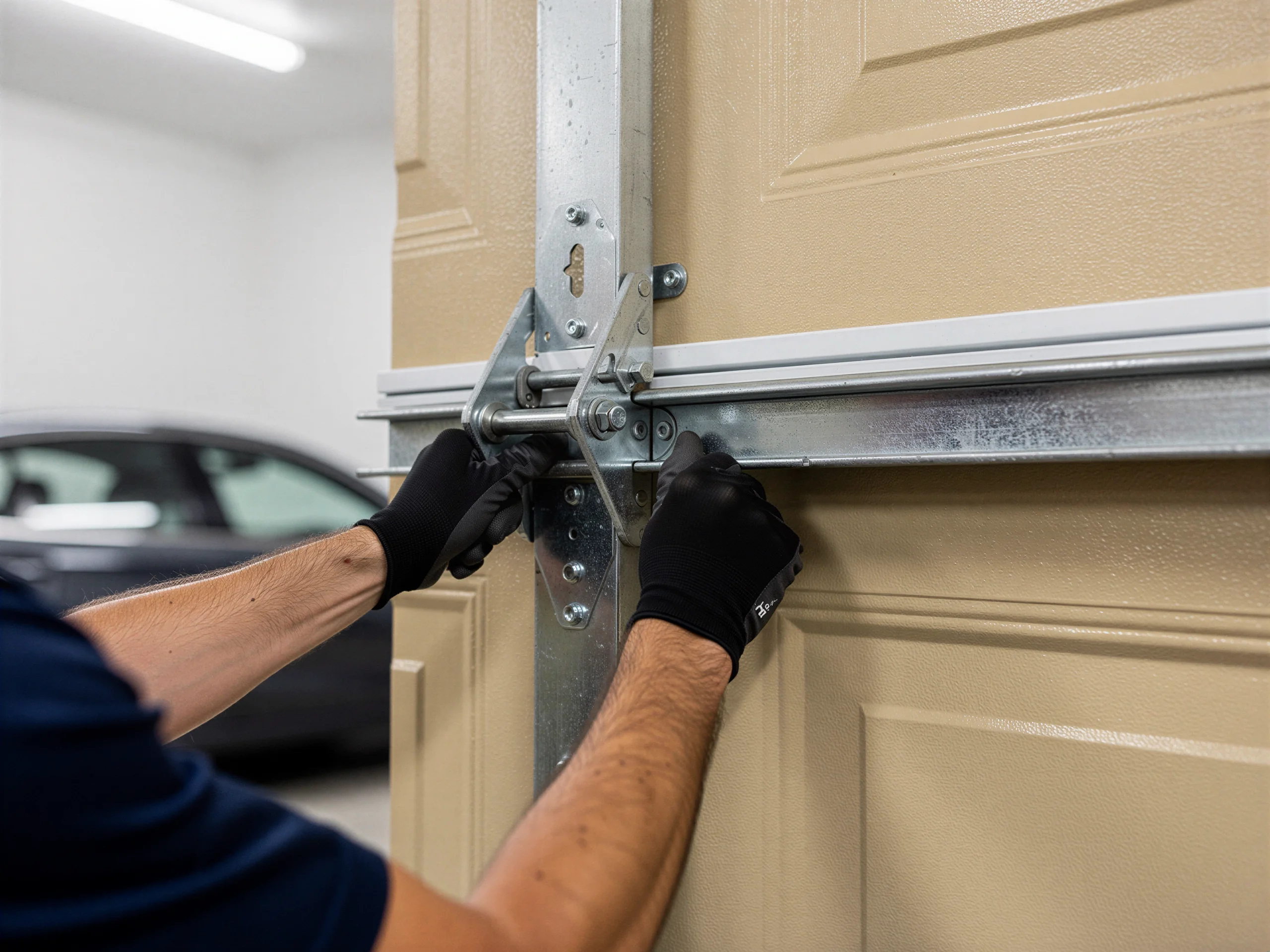
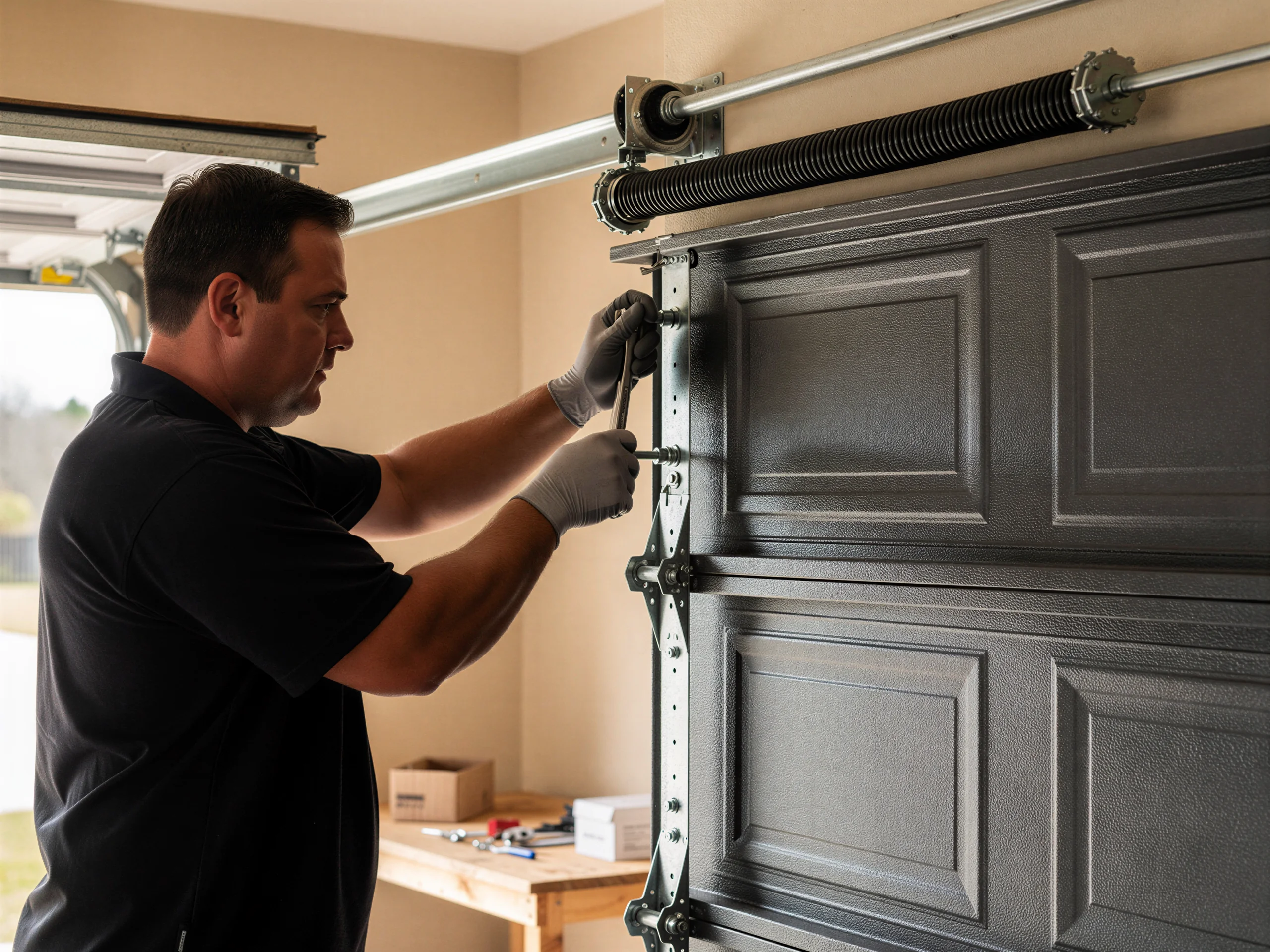
Garage Door Service
Lititz homes mostly date to the early 1960s, a decade earlier than the wider Lancaster area median. Learn more →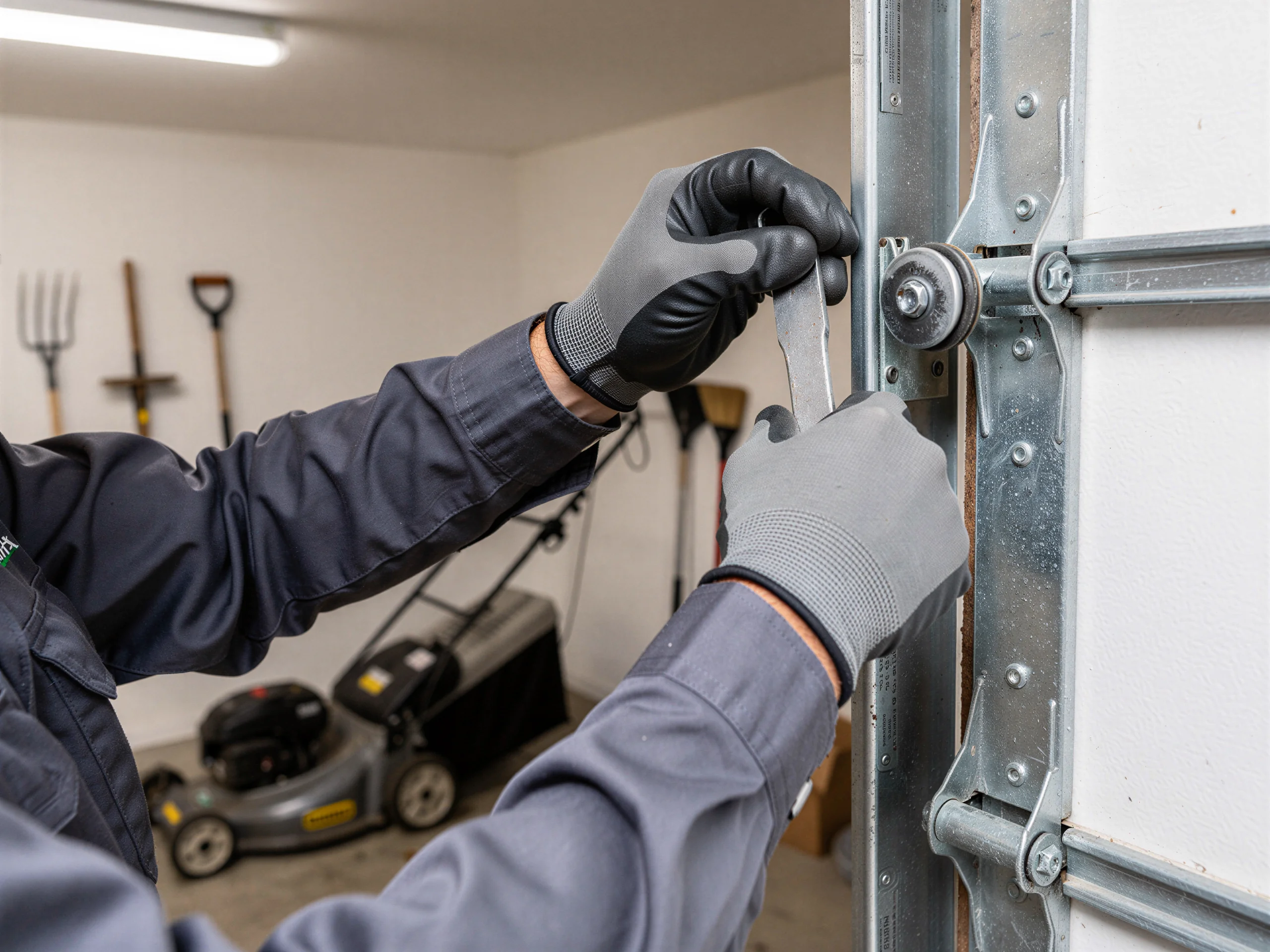
Off Track Repair
Lititz homes built around 1962 often run older track and roller hardware. Learn more →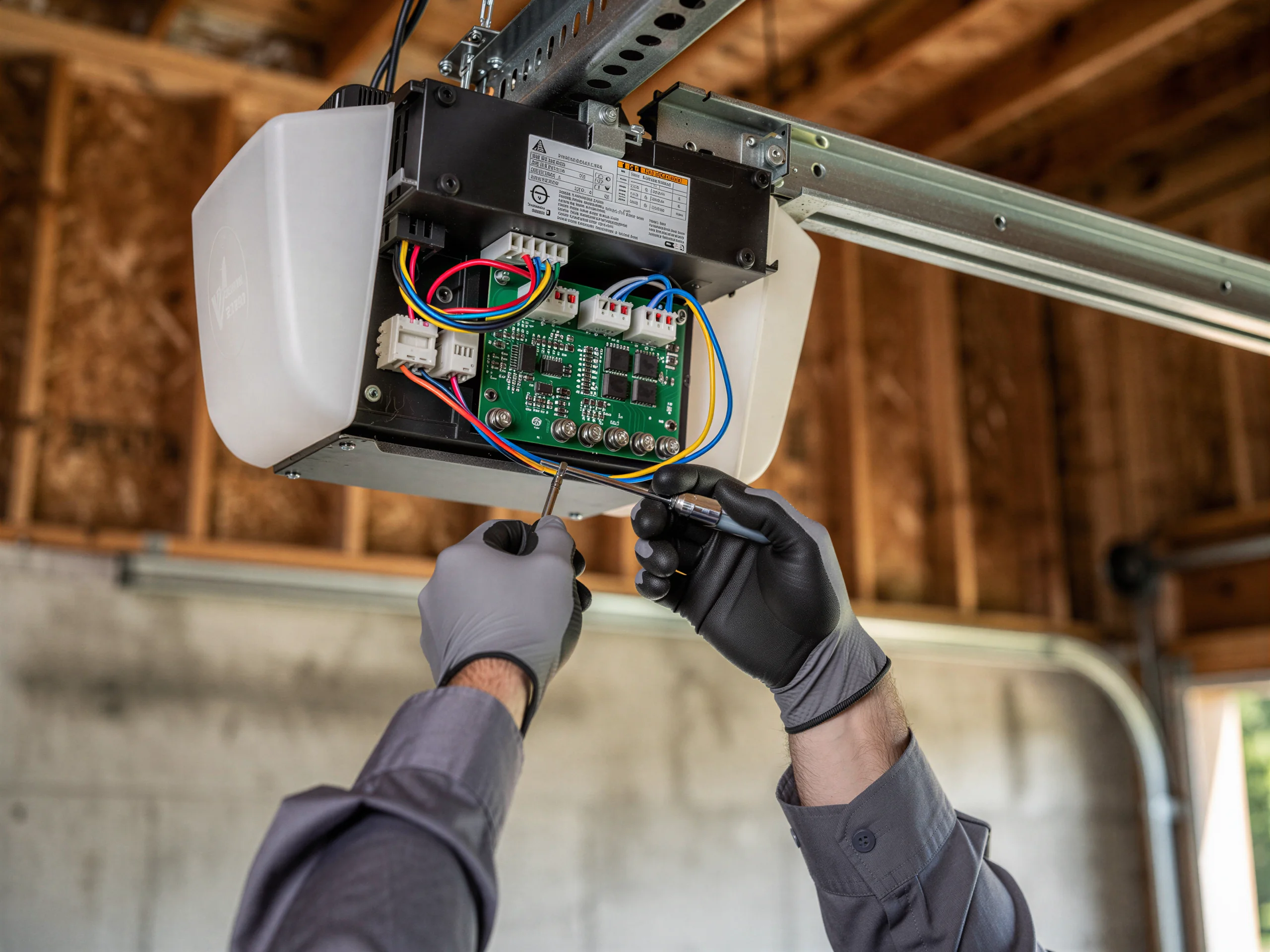
Opener Repair
Opener repair for Lititz homes built around 1962, served by the Lancaster truck 8 miles out. Learn more →
Roller Replacement
Lititz has under 4,000 households and most garage doors date to the early 1960s. Learn more →Ready when you are
Ready for a new garage door in Lititz?
Lancaster Garage Door Pros repairs and installs garage doors, springs and openers in Lancaster, PA and the surrounding area.